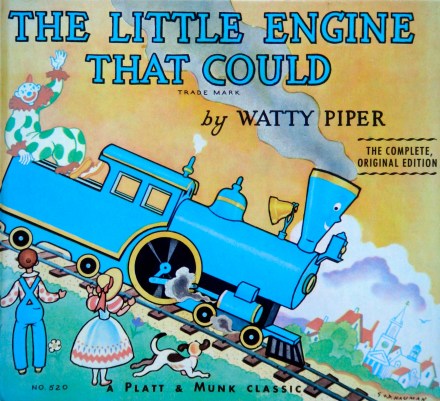
The Little Engine That Could


DSC02474

The Little Engine That Could retold by Watty Piper

Illustrated by George and Doris Hauman

1930

“I think I can” became such a standard in American vernacular that the phrase, along with the book title “The Little Engine That Could”, were actually trademarked by Platt and Munk.

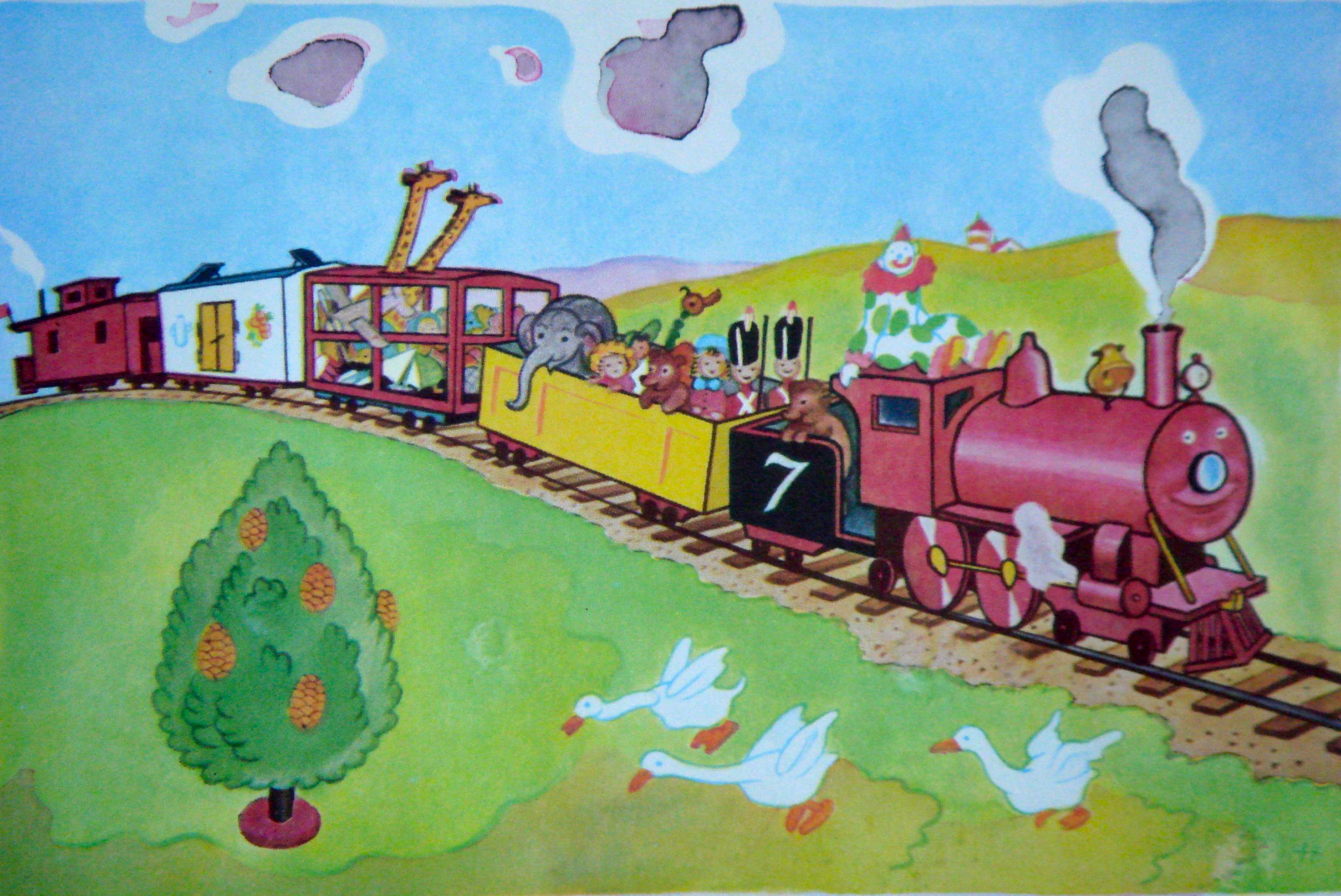
Published in 1930 at the onset of the Great Depression, the book appeals to all but the most cynical because of its spirit of can-do optimism. A happy little train chugs along with a jolly load of good things (dolls, toys, stuffed animals, lollypops) for the good little boys and girls on the other side of the mountain. When her engine breaks down, the toys, led by an animated clown, flag down a succession of engines (all male) that refuse to help. Along comes a little blue engine who utters her trademarked phrase, “I think I can. I think I can. I think I can,” and manages to pull the load over the mountain just in time to avoid disappointing the waiting children (“I thought I could. I thought I could. I thought I could.”) (Perhaps there is just a bit too much sugary goodness here.)

DSC02477

The original illustrations were by Lois Lenski, but new illustrations were commissioned from George and Doris Hauman in 1954 and these are the ones with which we are familiar. The little blue engine’s bright open face appears on her smokestack, the gold band on the top giving her something of a Nefertiti look (the engine design was also trademarked.) The toys from the train appear toylike and so does everything else – the trees, including one with a candy cane trunk, are set on little stands, the bottles of milk march along on elfin feet, the apples and oranges have happy faces, and there is an unlikely toylike windmill in the background. There is much to engage and delight.
DSC02475

And what of the author? Who would have a name like Watty Piper? No one, as it turns out. Despite putative biosketches that have appeared in some books, Watty Piper was the house pseudonym for Platt and Munk – used since the 1920’s for a series of beloved large-format anthologies with names like The Road to Storyland and Stories That Never Grow Old. When The Little Engine That Could first appeared, it acknowledged a predecessor called Pony Engine that was published in 1916. In fact, the story, complete with famous “I think I can” phrase, appeared as early as 1906 in a Sunday school tract of unattributed authorship, and there were many other versions that followed. In 1955, faced with a lawsuit, Platt and Munk offered a $1,000 reward to the person who could prove authorship and it is telling that the prize was divided between three claimants, certainly none of whom were the real McCoy. Not many stories have had as many writers claiming paternity as this one.

DSC02476


The Tomb of the Boy King

DSC01449


The Tomb of the Boy King
by John Frank

2001

Illustrated by Tom Pohrt

There are really three stories here. There is the story of King Tutankhamen, who assumed the throne at the age of 9, and died mysteriously a decade later. A loose sliver of bone within the skull lead to speculation of foul play and court intrigue, an exciting modus exitus.DSC01451

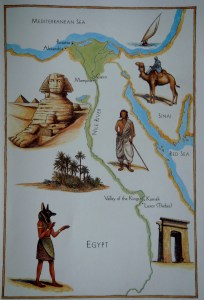
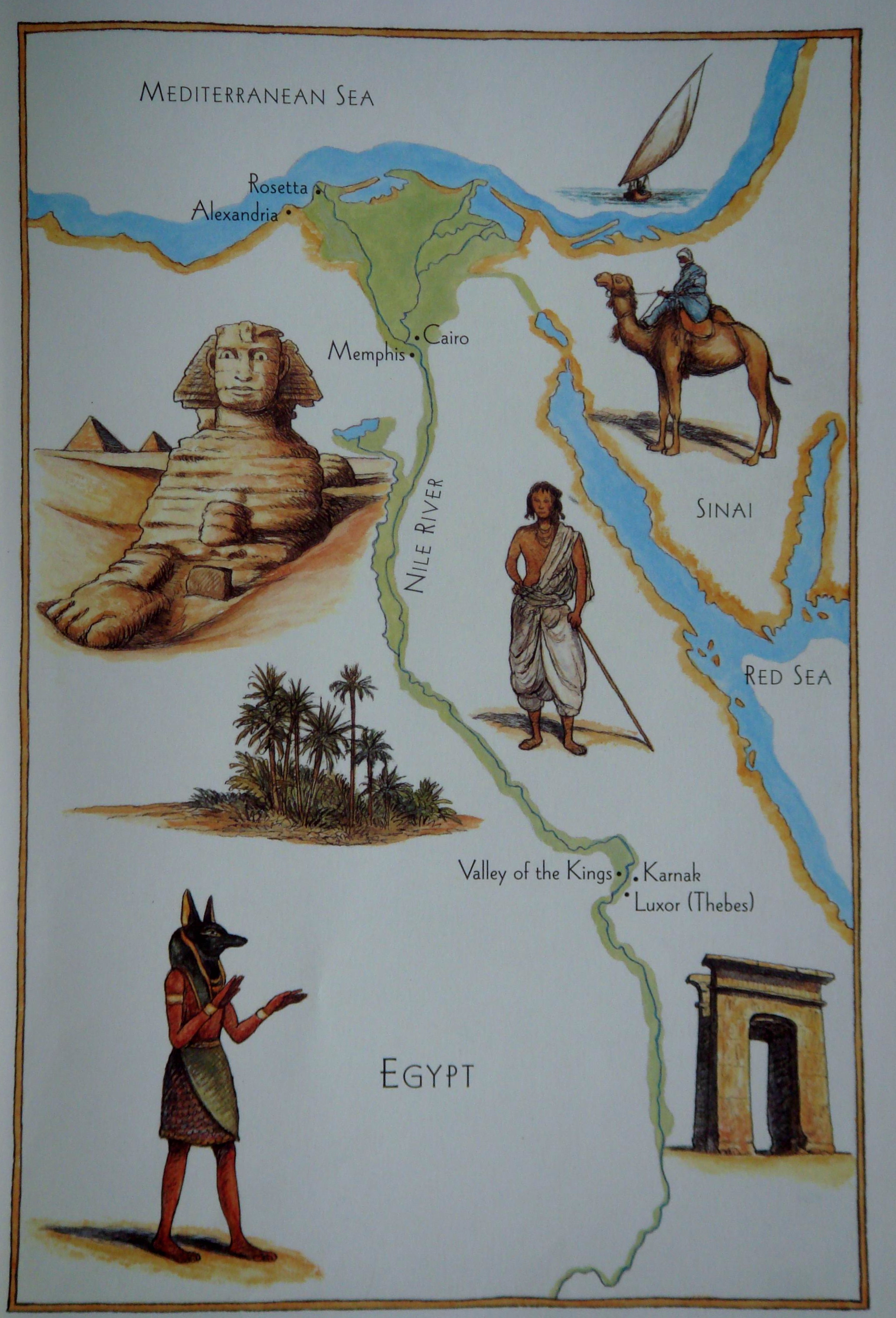
Then there is the story of the discovery of his tomb by the British archeologist, Howard Carter, in 1922. Of the tombs in the Valley of the Kings, King Tutankhamen’s was the only one not significantly plundered by grave robbers. Over 5,000 objects were found, including the life-size golden mask that has become the iconic image of ancient Egypt. The astonishing treasure was housed in the Cairo Museum, where it quietly languished until 1972 when the first of several traveling world tours was launched. Millions of visitors waited in long lines to view the riches at the British Museum and the Metropolitan Museum – the first blockbuster museum show.DSC01452

And third, there is the superstition of the ancient mummy’s curse that protected the grave against marauders. The death of Carter’s golden canary by a cobra was to foreshadow the death of his wealthy friend and backer, Lord Carnarvon, during the course of the excavation, a death that was accompanied by a triad of eerie coincidences.

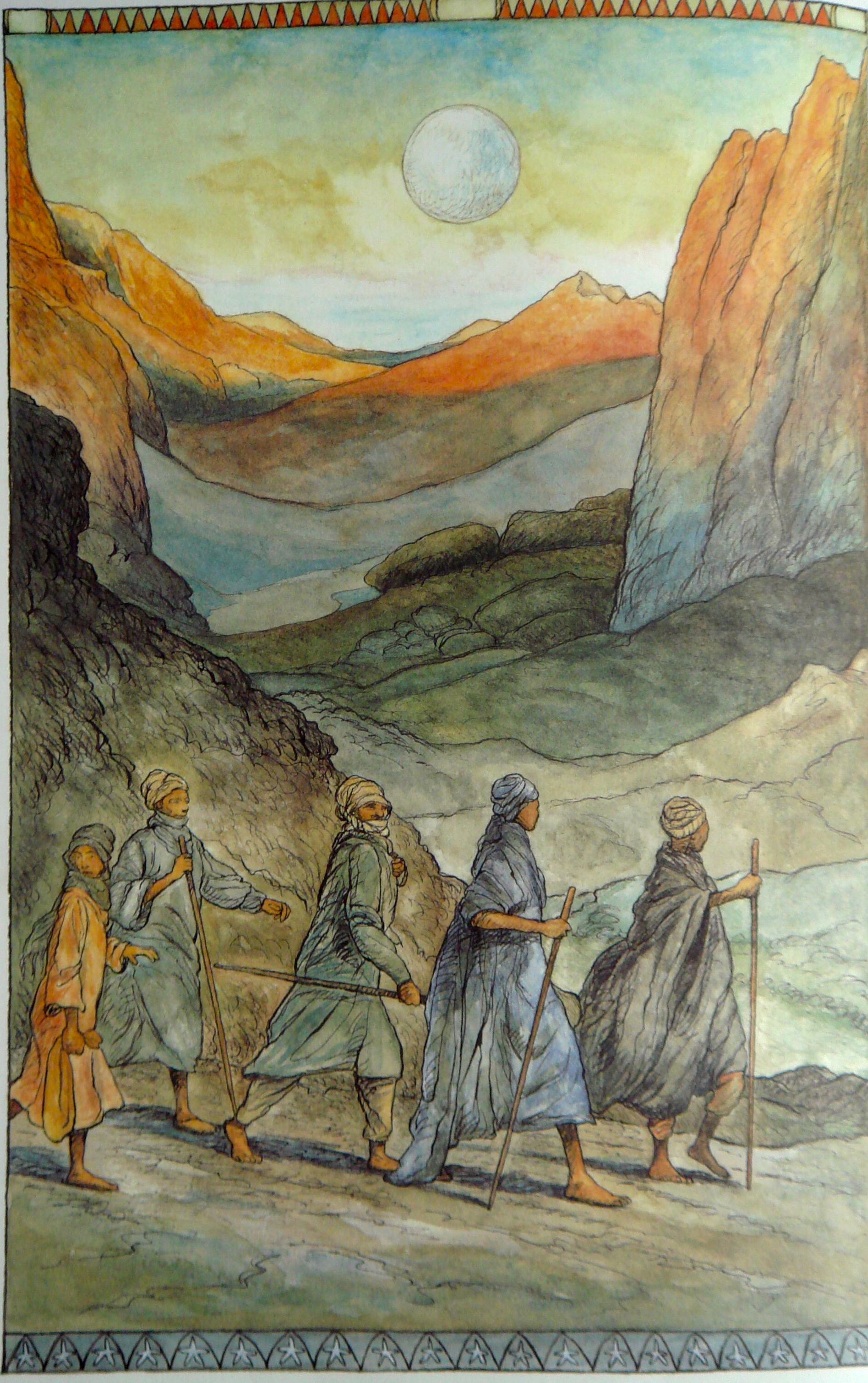
John Frank tells the three intertwining stories in verse form, with the DSC01450allusions to the mummy’s curse providing an undercurrent of mysterious suspense. Tom Pohrt’s pen and watercolor illustrations have a sepia toned palette reminiscent of old photographs from the era. He includes borders with hieroglyphics or artifacts, thus overlaying the culture of the pharaohs on that of 1920’s Egypt. There are comparatively few non-fiction children’s books that bear repeated out-loud reading, and this is one of them.
Aside: For a lighter take on the King Tut story, try “We Want Our Mummy”, a 1939 movie made when the Three Stooges were at the peak of their zany form. Playing three detectives hired to find the kidnapped Professor Tuttle and the mummy of King Rutentuten (pronounced rootin’ tootin’), the three hail a cab in New York and end up in the desert sands of Egypt, $2,198.55 lighter. After a few “Nyuk, nyuk, nyuk”s and some classic dialogue:

     (Moe: I got an idea. We’ll make a mummy out of you.

     Curly: I can’t be a mummy. I’m a daddy.

     Larry: OK, so you’ll be a daddy mummy),

the Three Stooges discover not only the mummy of the midget king but also that of his wife, Queen Hotsy Totsy.


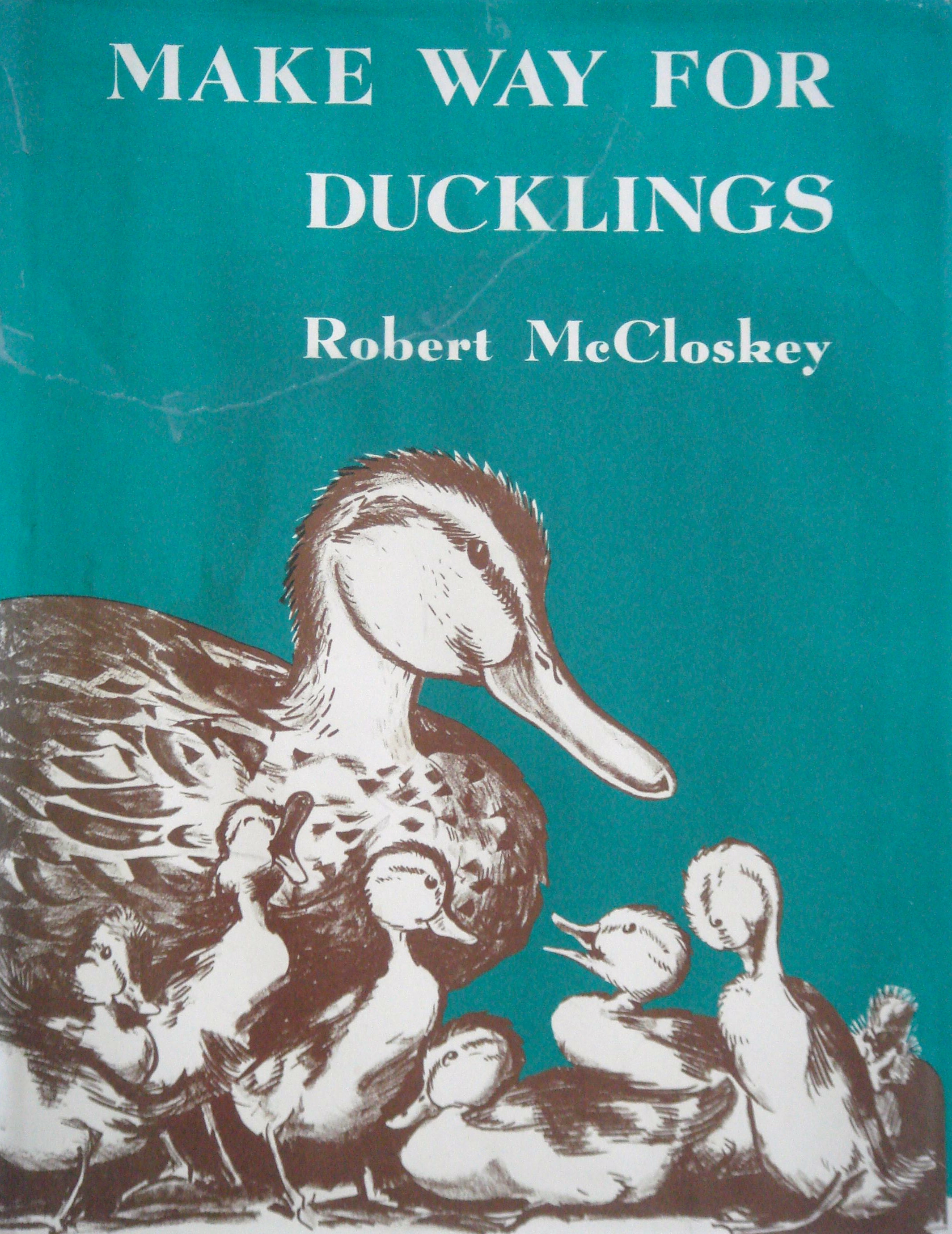
Make Way For Ducklings

DSC02800Make Way For Ducklings by Robert McCloskey

1941

Illustrated by Robert McCloskey

Shortly before Robert McCloskey’s death in 2003, Make Way For Ducklings was made the official children’s book of Massachusetts, prompted by students in a third grade class. Hard to imagine a more appropriate award, for McCloskey was a master at evoking the essence of place. What Make Way For Ducklings was for Boston, Time of Wonder was for coastal Maine and Homer Price was for Centerburg, Ohio. The eight books that he wrote and illustrated were each a celebration of one of these three settings, each of which he knew well. His books were also a quiet celebration of America – apple pie, blueberry picking, donut machines, harmonicas, a certain unpretentious can-do spirit, common-sense competence, and innocent understated humor.

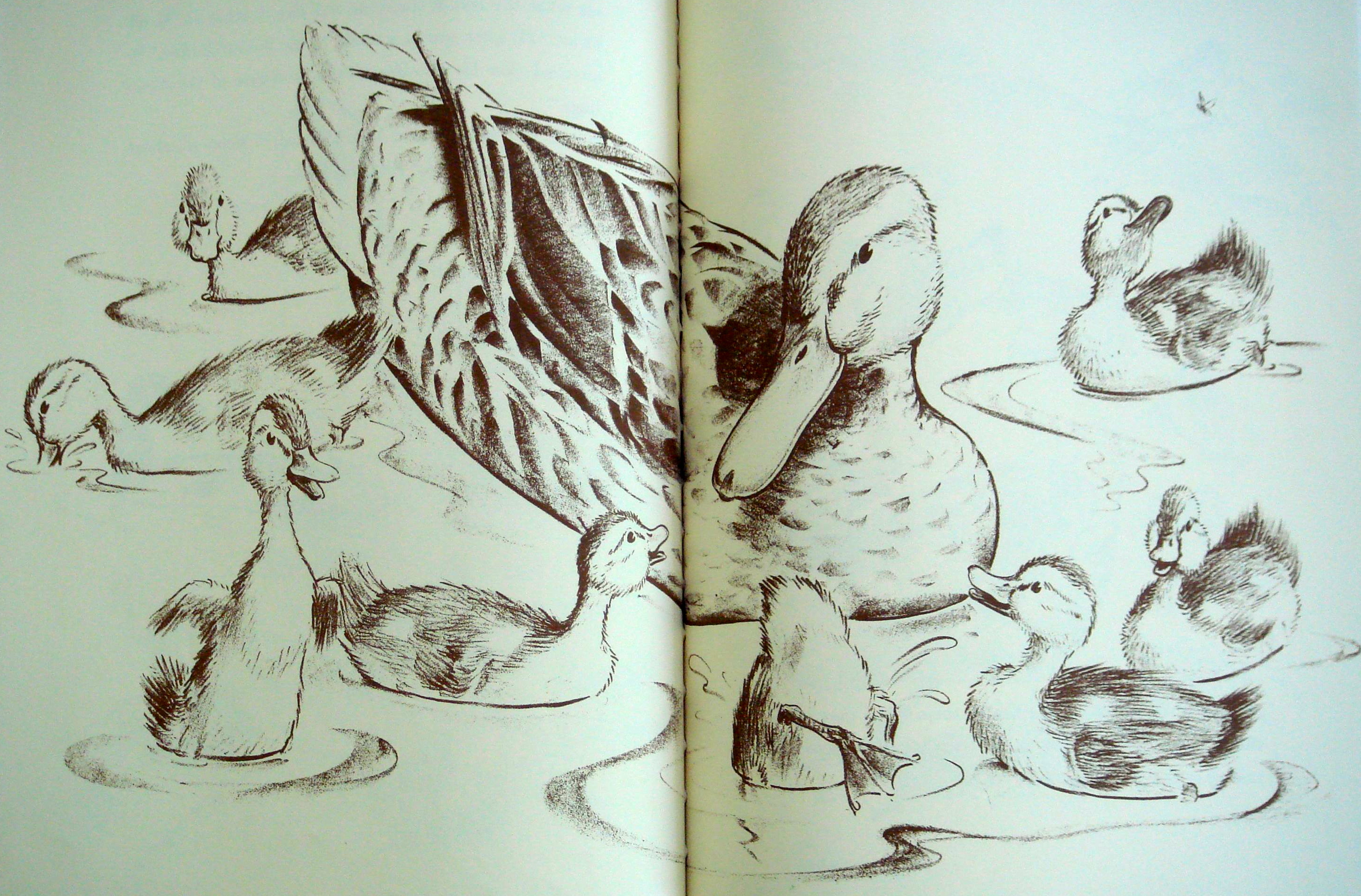
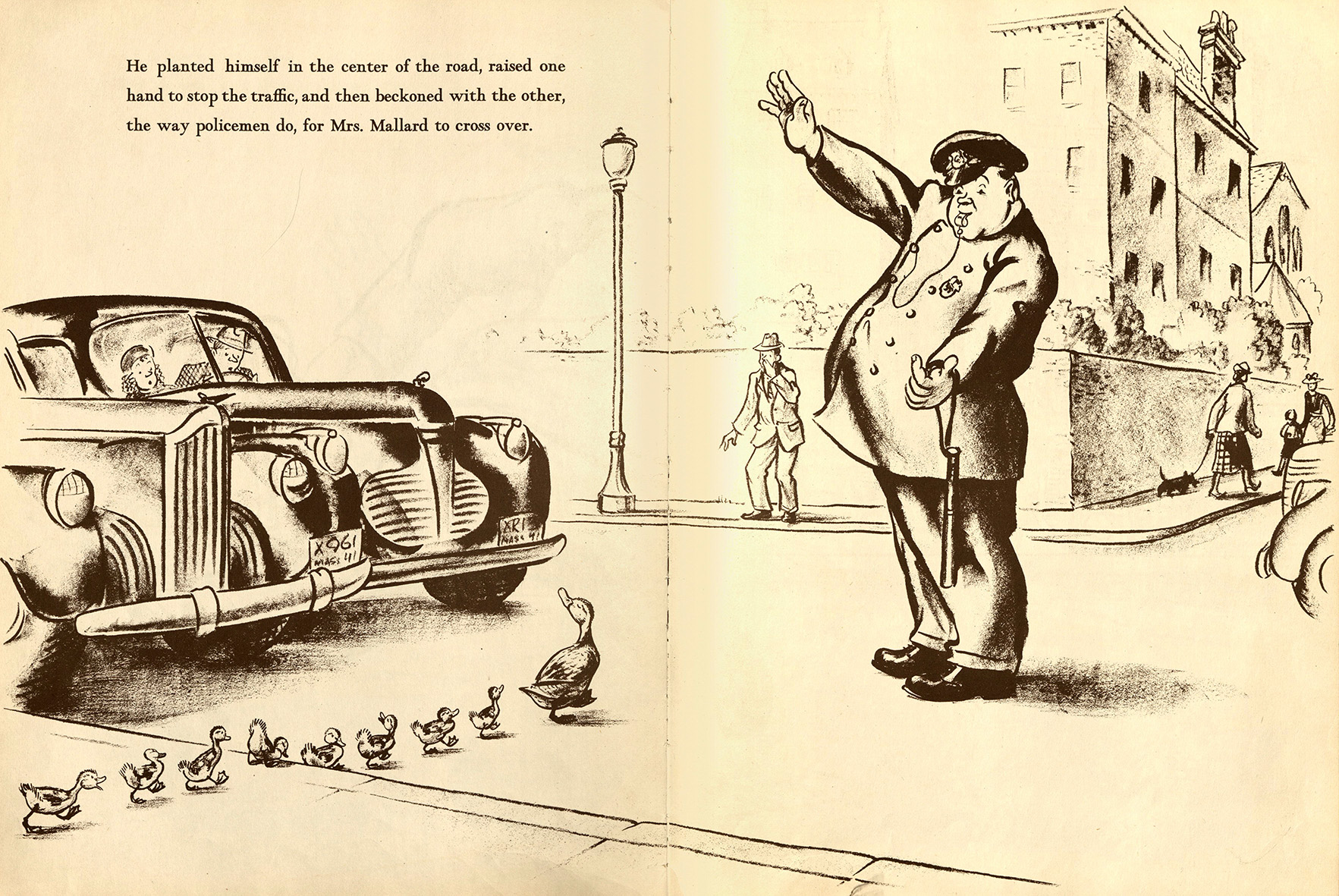
Make Way For Ducklings stars Mr. and Mrs. Mallard, a pair of ducks who settle on an island in the Charles River, free of foxes, turtles, and boys on bicycles. After their eight ducklings hatch out, Mr. DSC02804Mallard goes off exploring while Mrs. Mallard teaches her offspring to swim, dive, and follow in a straight line. When it is time for their rendez-vous, Mrs. Mallard proudly leads her brood in a single file procession through the streets of Beacon Hill and through the gates of the Boston Public Garden. They are helped along the way by Michael the policeman and Clancy from headquarters who stop traffic to allow their safe passage. There is something fascinating about the ordered geometry of birds, be it the V-shaped pattern of migrating geese, the wind-facing seagulls on an island rookery, or the following behavior of imprinted chicks. It is the image of the proud Mrs. Mallard and her trail of spirited ducklings – delighting the boy in the Corner Book Shop, amazing the street sweeper on Charles Street, bringing traffic to a halt on Beacon Street – that is the lasting one.Make-Way-for-Ducklings-1950

Make Way For Ducklings is one of the most enduring and beloved of picture books – both the story and the illustrations are imbued with honesty and quiet humor. To perfect his drawing technique,DSC02801 McCloskey brought a dozen or more ducklings home to his West Village apartment and lived with them long enough to make hundreds of sketches. In the book, every twitch of the tail, every preening of the breast feathers, every flap and waddle seem true. The humans, in contrast, are comical caricatures. As an artist, McCloskey was talented and meticulous – he was the first to receive two Caldecott Medals (for Make Way For Ducklings and Time of Wonder) and he was also awarded three Caldecott Honors, a remarkable achievement.

The Cats in Krasinski Square

cover-l

The Cats in Krasinski Square by Karen Hesse

2004

 Illustrated by Wendy Watson

 How to present the Holocaust to children? For those who are too young for Anne Frank or Primo Levi, a gentle approach is provided by The Cats in Krasinski Square, a book that sets just the right tone. It tells of one small moment of successful defiance and quietly heralds the human courage, friendship, and dignity that survived in the face of unfathomable brutality.

 The book was inspired by I Remember Nothing More, a remarkable memoir by Adina Blady Szwajger. A medical student at the time of the walling off of the Warsaw Ghetto, she devoted herself to her young charges in the Warsaw Children’s Hospital until 1943 when the final deportations of Jews to the concentration camps were nearing completion. She escaped the Ghetto and began working as a courier for the Jewish Resistance. She was one of the fortunate few to survive the war.

 The Cats in Krasinski Square features a young girl who has escaped the Ghetto and is able to pass as an Aryan outside the Wall. She lives with her older sister, a member of the Resistance, and she befriends the cats who have been rendered homeless by the war. When she learns that a plan to smuggle food into the Ghetto is threatened by the Gestapo, she gathers up the stray cats into wicker baskets. As the train carrying the food couriers pulls into the station and the German soldiers let loose their snarling dogs, the cats are released and pandemonium ensues. That night the food makes its way into the Ghetto and the girl passes a loaf of bread through a hole in the Wall into the grateful arms of her friend Michal. Meanwhile, in Krasinski Square, a carousel swirls to gay music and children laugh with delight. Szwajger described watching the carousel as the fighting of the Ghetto Uprising raged and the houses (her own, among them) went up in flames on the other side of the Wall. The merry riders were seemingly insensible to the human tragedy playing out nearby.DSC03536

 Karen Hesse is a sensitive writer who has garnered both a Newberry Medal and a MacArthur Award for her books for children. With an economy of words and a poetic prose style, she has taken on complex moments in history and given them a human face. Her subjects have included the grinding poverty of the Dust Bowl, the forced relocation of the Aleuts after the Japanese invasion, and the Ku Klux Klan in New England. Never sentimental or sensationalistic, she creates a strong sense of historical place and the response of individuals to burdens imposed by the vagaries of historical circumstance.

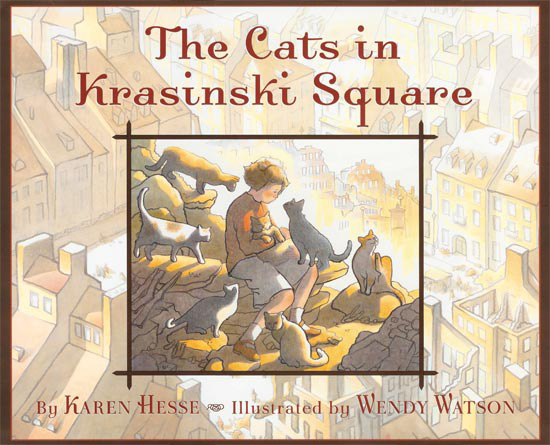
 In The Cats in Krasinski Square she is aided by Wendy Watson, a visual artist of comparable sensitivity. With softly blurred illustrations in muted yet luminous golden and ruddy tones, she portrays essence of cat along with essence of war-torn Warsaw. In the climactic train station scene, she provides just enough comic relief to allow the reader to feel triumphant exhilaration as a clever young girl with ingenuity outfoxes the Nazi soldiers.DSC03535

Paddy’s Christmas


DSC01782

Paddy’s Christmas by Helen Monsell

1924

Illustrated by Kurt Wiese

 While Mother, Father, Aunt, and Uncle Bear are sleeping in the cave for the winter, Paddy is out playing in the woods. Tumbling down a hill, he comes to rest at a log cabin and through the windows he witnesses the celebration of Christmas. He rushes back to the cave and asks excitedly, “What is Christmas? … It’s pretty, it’s lots of fun, and it makes you feel good from the inside out.” Uncle, Aunt, and Mother Bear each reluctantly visits the cabin in turn and returns with an interpretation – decorating with holly and mistletoe and singing songs, receiving presents, and giving gifts. Paddy finds that decorating the cave is pretty and playing with his gifts is fun, but only when he gives presents to his family does he feel fulfilled.

DSC01785

 Many spirit-of-Christmas books are saccharine, preachy, and oddly enervating, but not this one. Paddy is frolicsome and pesky, while the adult bears want nothing more than to be left in peace so they can go back to sleep – which they do repeatedly. Self-sufficient and independent, the little bear gathers the running cedar and decorates the cave, he juggles the pine cones which his aunt has given him, and he collects the gifts (a stick for his father, nuts for his uncle, red feathers for his aunt, and a stiff grass broom for his mother) all by himself. He has an invigorating curiosity and resourcefulness that are infectious. Read this book and you’ll feel like going outside to scavenge in the woods for holiday ornaments too.

DSC01784

 Anyone who has seen The Story About Ping or The Five Chinese Brothers will recognize Kurt Wiese’s illustrations. German-born, Wiese moved to China in his early twenties to try his hand at business. With the advent of WWI, he was captured by the Japanese, turned over to the British, and detained as a prisoner of war in Australia. This was a fortuitous incarceration, since the unique fauna of down-under inspired an interest in sketching. After a detour to Brazil, Wiese settled in rural New Jersey where he embarked on a remarkably prolific career (well over 300 books) as a children’s book illustrator. His bears in Paddy’s Christmas are filled with the cheerful vitality that characterizes his work.

img_5151


Boats

DSC03454-6

Boats by Byron Barton

1986

Illustrated by Byron Barton


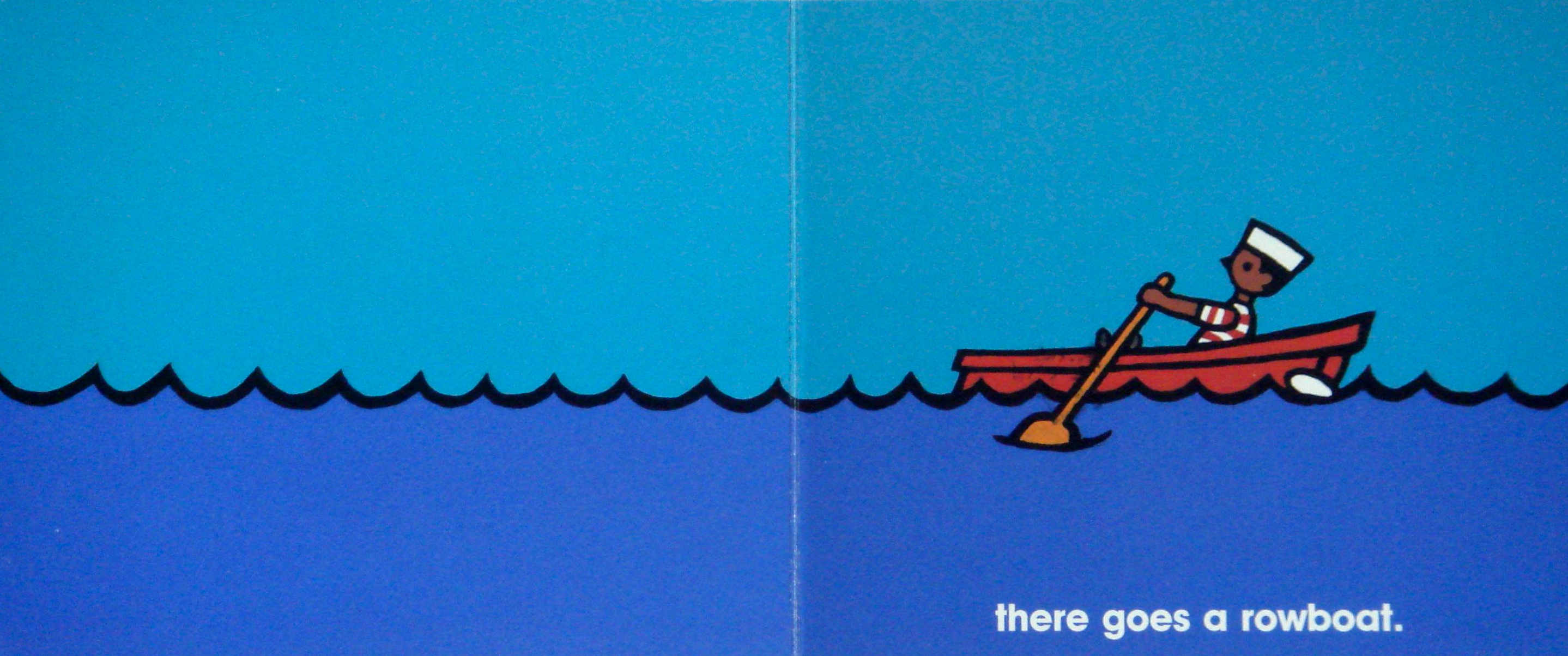
 For the very young child, the real world is wondrous enough. A garbage truck on its weekly rounds, with all the attendant activity of the garbage men wheeling the trash cans, the whir and clang and scrunch, the slap on the side and the swinging up on the running board – what could be a more exciting start to a day?

 For the very young child, everything is novel. It will be some time before a growing child becomes jaded with the quotidian and prefers the fire-breathing dragon over a cud-chewing cow, a sword-wielding knight over a policeman directing traffic. Young children want to know name and function – and Byron Barton is an astute writer/illustrator who provides just this information. Boats, Planes, Trucks, Trains – he covers these as well as many other everyday things in the everyday world. DSC03457-5

 For a novice parent, it is often difficult to distinguish among the many picture board books written for the very young. But children can tell the difference, and Barton’s books, for whatever reason, become the favorites of many a toddler. He is absolutely straightforward. “A fireboat rushes to put out a fire. A ferryboat carries people and cars.” No gimmicks, no wry humor – just plain talk conveying basic information. Each page contains a six or eight word declarative sentence in the most unadorned of language. The text is illustrated by flat art – thick black outlines, bright contrasting colors, bold geometric shapes. The people resemble Playmobile characters.DSC03456-5

 The test of a picture book is repeated readings. Barton’s books never become annoying, as so many do. There is a Zen-like pleasure that comes from the simplicity of the spare text and unembellished art. There is space for embellishment by the child and parent, space for running commentary, room for imaginative flow. In the midst of the chaos and cacophony that are a feature of modern life, Barton’s little books provide a welcome quiet spot.DSC03455-5


The Little House

TLHThe Little House by Virginia Lee Burton 1942 Illustrated by Virginia Lee Burton

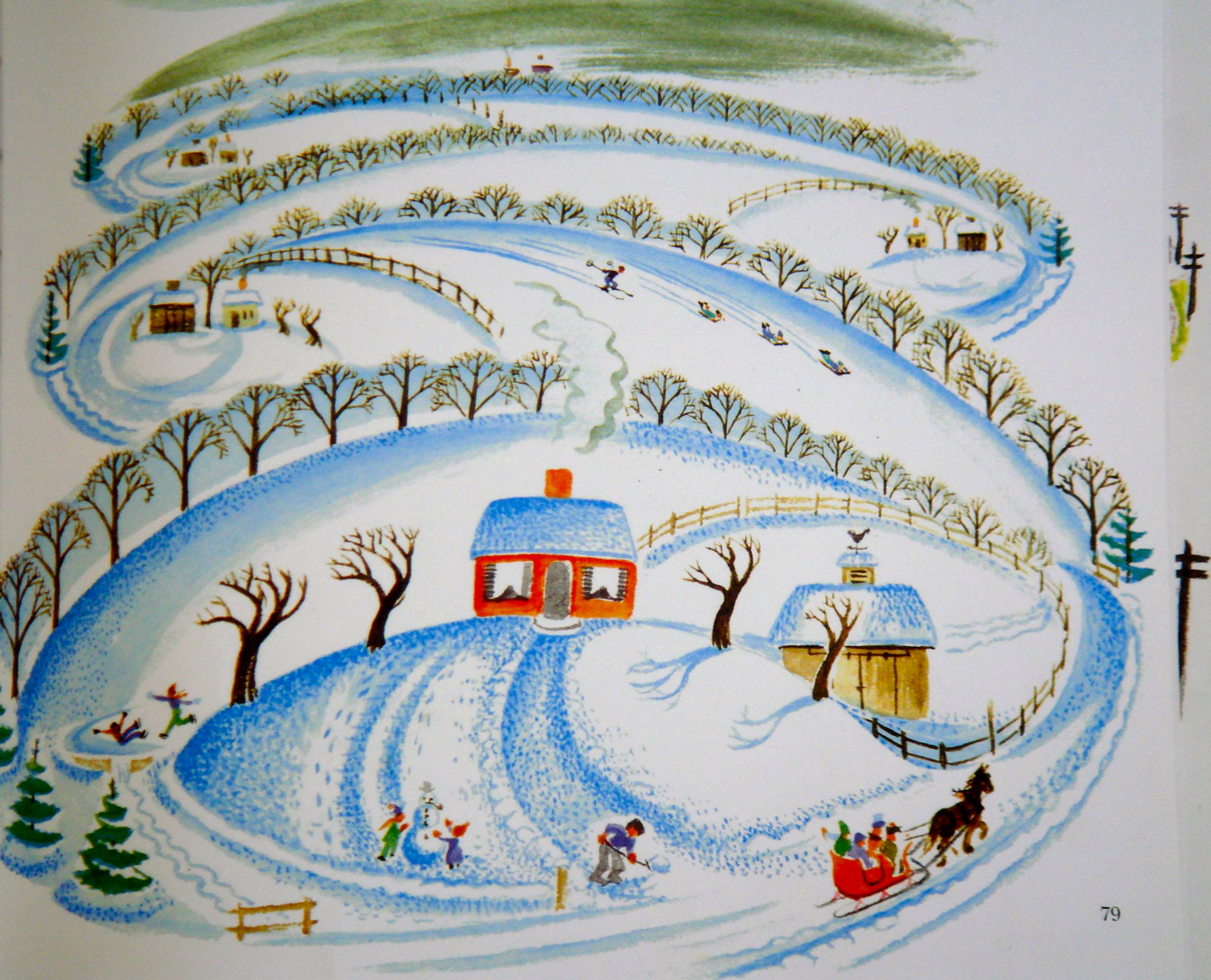
Virginia Lee Burton was first and foremost an artist. In creating her seven books for children, she first painted the illustrations (a painstaking process that sometimes took years) and then wrote the text. Her books have an unmistakable style that was uniquely hers, a style that was a radical departure from other picture books of her time.DSC01063

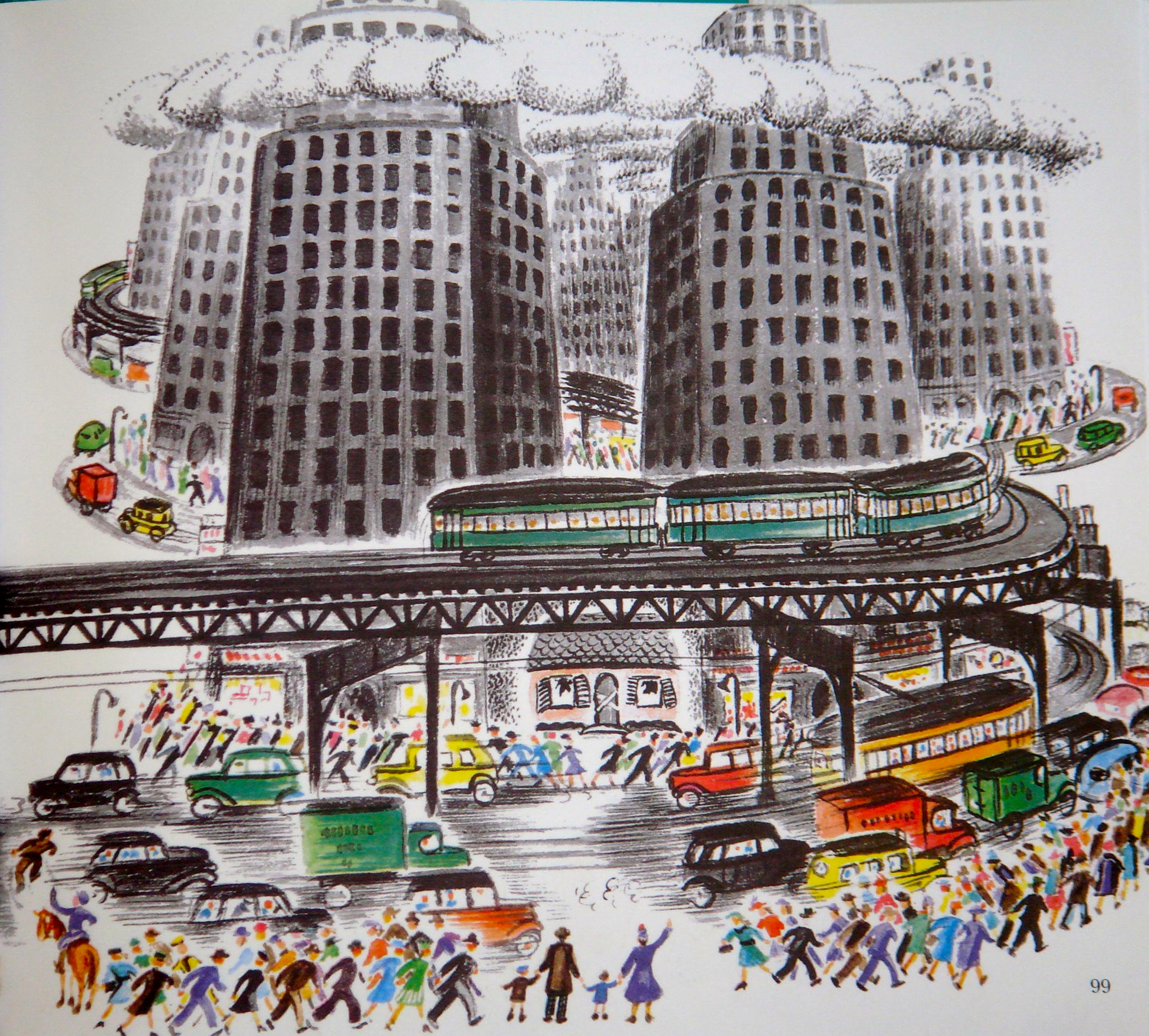
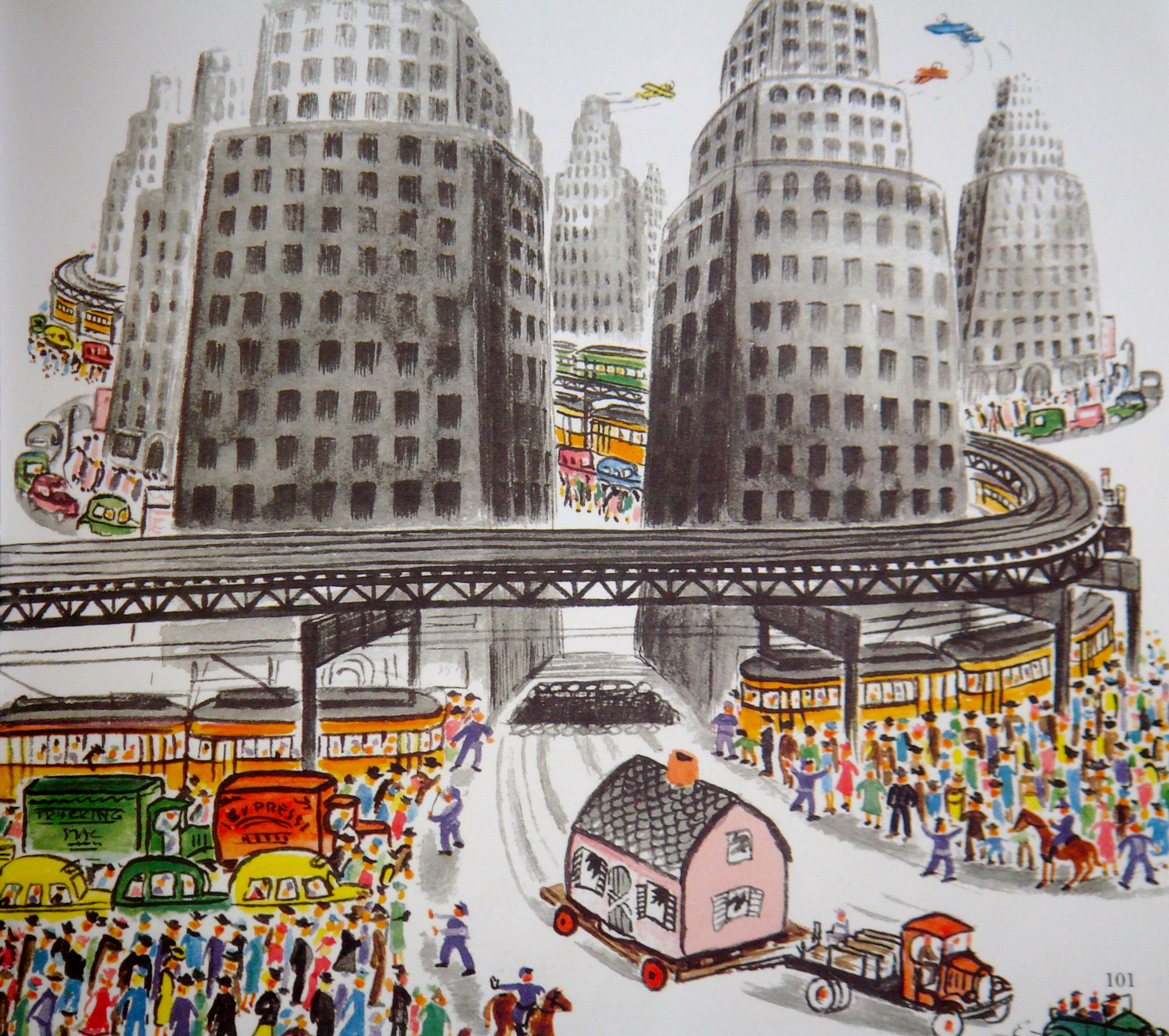
The story of The Little House was inspired by Burton’s own home. When she and her new husband settled in Folly Cove, Massachusetts, they relocated their turn-of-the-century wooden house from a position along Route 127 to a nearby hill covered with daisies and apple trees. In the book, the Little House (one of a series of unassuming inanimate heroines that included a steam shovel, a snow plow, and a cable car) begins her life in an idyllic pastoral setting, surrounded by nature and home to a happy family. Time passes, the world changes, and the Little House is enveloped by a city. Boarded up, broken-windowed, and abandoned, the Little House is discovered by the great great granddaughter of the man who built her and is moved back to the country, once again on a hill with apple trees.DSC01064

Burton grappled with weighty issues – the importance of a life in harmony with nature, the dehumanizing force of modern urbanization, the relentless march of progress – and this book has a certain gravitas. She documents the passage of time in the natural world by showing the rising and setting of the sun, the phases of the moon, the seasons of the year. In the arena of technologic progress, she shows the transition from horse and buggy to automobile, from trolley car to subway, from tenement building to skyscraper. She captures the accompanying change in the human psyche that the movement from country to city effects. Simply by drawing her rushing city dwellers on a slant, she captures the chaotic speed that accompanies modern urban life. The end of the story reflects Burton’s warm and exuberant personality and her intrinsic optimism. The Little House quietly perseveres and ultimately triumphs.DSC01066

Although Burton received the 1943 Caldecott Medal for The Little House, her earlier Mike Mulligan and His Steam Shovel remains her most popular work. Katy and the Big Snow is a terrific book to read upon each winter’s first snow storm, and Maybelle the Cable Car is the perfect book to pack for a visit to San Francisco.

Rikki-Tikki-Tavi

DSC02387
Rikki-Tikki-Tavi
by Rudyard Kipling

1894

Illustrated by Lambert Davis

 Rikki-tikki-tavi is a valiant little mongoose who is washed away from his family in a flood and rescued by a young English boy. He finds the inhabitants of the bungalow garden cowed by Nag and Nagaina, the great black cobra and his wicked wife. Although inexperienced as a serpent slayer, he knows his role in the world. He first attacks a deadly krait, thus saving Teddy’s life, and then takes on Nag, thus saving Teddy’s parents. In his final battle, he vanquishes his most dangerous foe, the vengeful Nagaina, with a combination of brazen courage and psychological cleverness, knowing that she will risk all to save her last egg from destruction.

Rikki-tikki is matter-of-fact about his exploits and has nothing but angry disdain for foolish Darzee, the tailorbird, who sings his triumphant praises with imbecilic enthusiasm. Nor does he understand the gratitude of Teddy’s parents for acts which he considers all in a day’s work for any honorable mongoose. He is not motivated by love or loyalty to humans, nor by the prospect of culinary rewards, but simply by his instinctual need to rid his world of snakes. Rikki-tikki is his own mongoose and is never diminished by subservience to man.

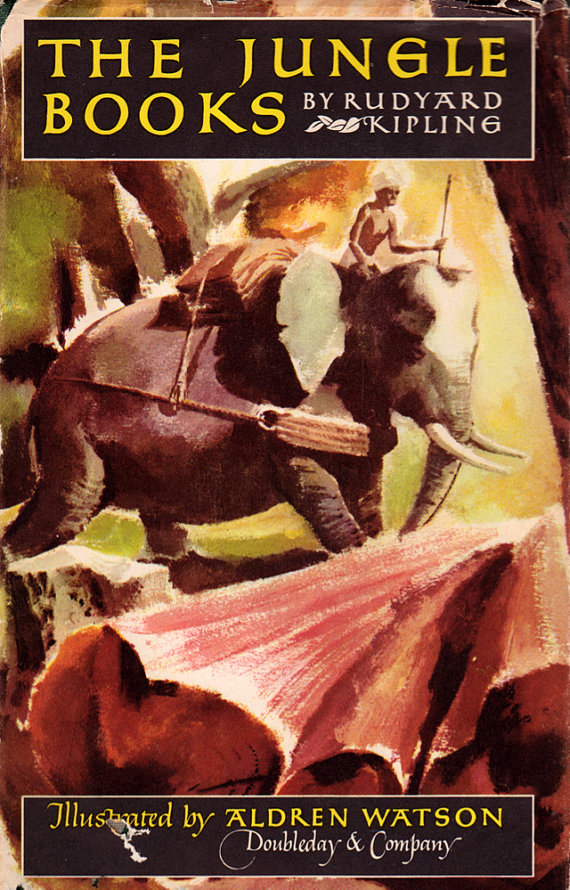
il_570xN.550707554_n0u8The same cannot be said for all of the animals in the other stories that make up The Jungle Book and the Second Jungle Book. Eight of the 15 tales concern Mowgli, the man-cub raised by wolves, who is stalked by Shere Khan the Bengal Tiger, and mentored by Akela the Wolf, Bagheera the Panther, Baloo the Bear, and Kaa the Python. Ultimately Mowgli exerts his human supremacy over the animals of the jungle and we are reminded of an unfortunate pattern in Kipling’s works.

Unknown

Kipling was born in Bombay, son of a professor of architectural sculpture. At the age of five, he and his three year old sister were deposited as boarders with a couple in England so they could be educated on home soil – for Rudyard, victim of the brutality of the missus, it was a miserable experience. At 16, he returned to India and spent the next seven years launching his writing career. And then he left, to spend his adult life in the U.S., England, and South Africa. The 12 formative years in India left an indelible mark which informed most of his writing. As a chronicler of British India, he had no peer.

PJ-2

Kipling was a broadly talented author who achieved glory as a writer for both adults and children, of both short stories and novels, and of both poetry and prose. Immensely popular in his time, he was awarded the Nobel Prize in Literature in 1907 at the age of 42, the youngest recipient ever. Like many writers, he was subsequently vilified for reflecting in his writing the qualities of his times that were later found unsavory – in his case, the arrogance, racism, and militarism of British colonialism. His innovative works for children have endured – The Jungle Books, the Just-So Stories (addressed in an Arabian Nights kind of way to “O My Best Beloved”), and the ever-brilliant Kim.

kiplinglge

(The illustrations are by Lambert Davis, Aldren Watson, Edward Detmold, Paul Jouve, and Rudyard Kipling.)

The Country Bunny and the Little Gold Shoes

countrybunny1-e1364270928662
The Country Bunny and the Little Gold Shoes
by DuBose Heyward

1939

Illustrated by Marjorie Flack

Along with the Easter egg hunt and the dyeing of the eggs, an annual reading of The Country Bunny and the Little Gold Shoes is a special way to mark the holiday. Children take comfort in traditions.

The story concerns a little brown country bunny who has a husband (never mentioned again) and 21 baby bunnies. She teaches her children self-sufficiency: two-by-two, they make the beds and wash the clothes and create pictures to adorn their home. When it comes time for the Grandfather Bunny at the Palace of Easter Eggs to select a new Easter Bunny, he recognizes the country bunny’s kindness, swiftness, and wisdom, all evident in her role as mother, and she is picked over the big white bunnies from fine houses or the long-legged jack rabbits.DSC01453

DuBose Heyward wrote this book, his only foray into children’s literature, for his 9 year old daughter, Jenifer. He died the following year. He is better-known (though largely unsung) for Porgy and Bess. In 1925, he wrote the novel Porgy, about a crippled African-American beggar (based on a real character who got around in a goat cart) in Charleston’s Catfish Row. Subsequently adapted as a highly successful play, Porgy became the first major Broadway production with an all black cast, this at a time when white actors in black-face were the norm. Several years later, George Gershwin wrote the music for what was to be the first great American folk opera, in collaboration with his brother, Ira, and DuBose Heyward. Heyward was largely responsible for the libretto and lyrics, including the song Summertime.

Heyward embodied an unlikely combination of contradictions. He was descended from a once-prosperous distinguished Southern family, yet he was a social progressive. He was a high school drop-out, yet he was an important figure in the revival of Southern literature in the 1920’s and 1930’s. His white roots were firmly in the segregated south, yet his novels gave voice to a waterfront African-American culture. With this background, it is worth rereading The Country Bunny to see how he quietly makes the case against discrimination.DSC01454

Marjorie Flack was a writer/illustrator who was responsible for The Story About Ping and the Angus books. For The Country Bunny, she drew hundreds of wholesome-looking rabbits, and managed to make even sweeping the floor and mending the clothes look like fun.

Snowflake Bentley

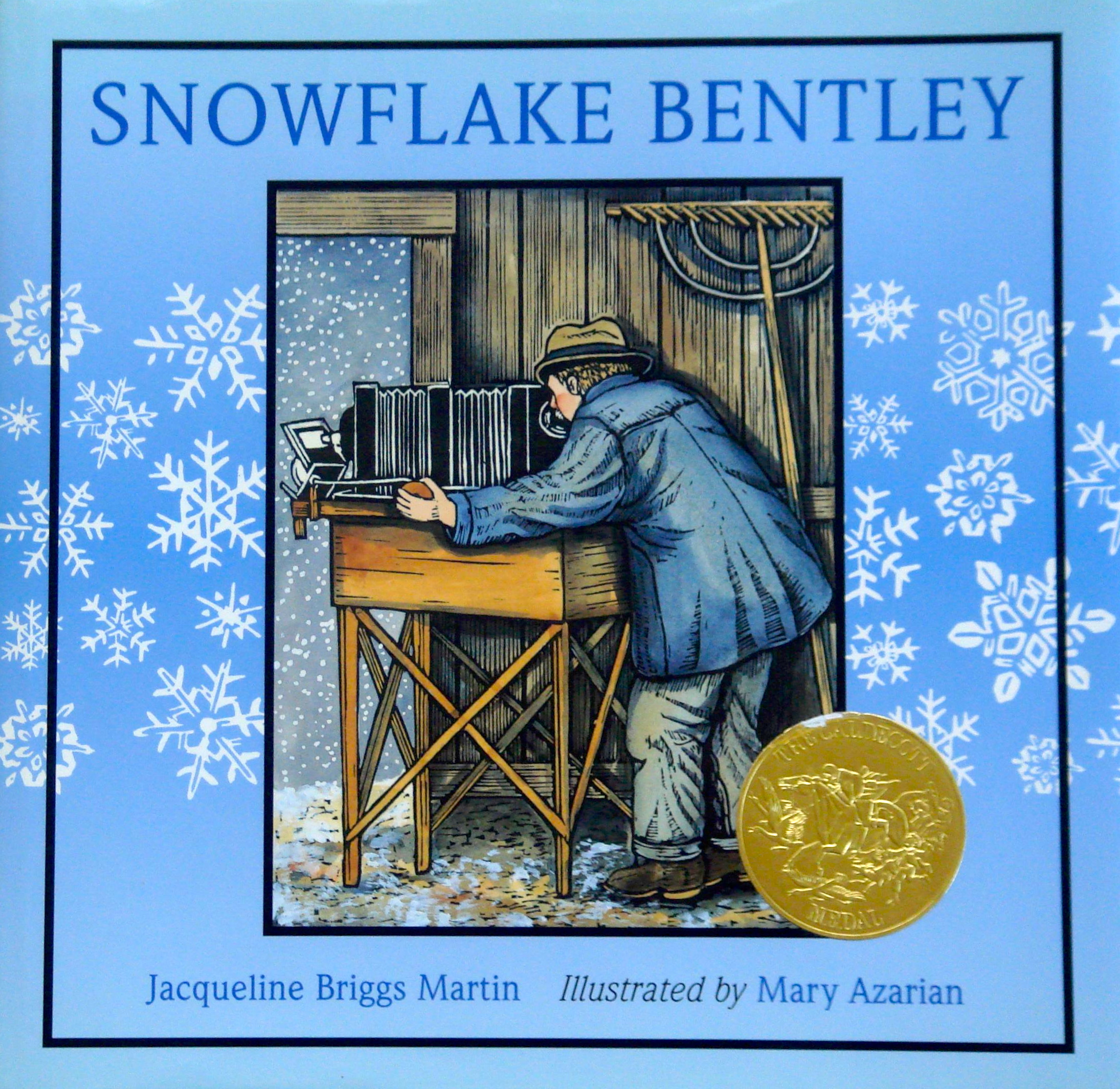
DSC02480Snowflake Bentley by Jacqueline Briggs Martin

1998

Illustrated by Mary Azarian

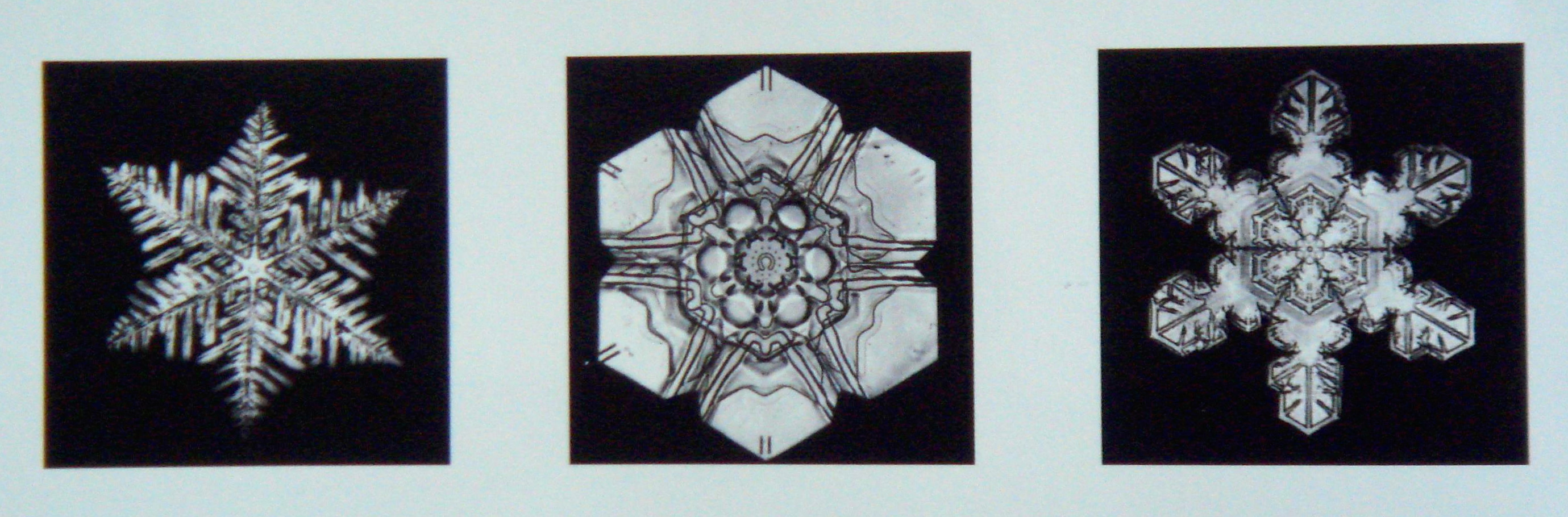
What a richer place is the world because of those eccentric seekers who pursue a passion with single-mindedness of purpose.  Such a one was Wilson Bentley.  He was raised on a farm in the snowbelt of Vermont, an area that receives as much snow in a year as the Amazon does rain.  His fascination with snow began as a child and continued until his death at age 66 after a six hour walk home in a blizzard.  At 15, his dear mother gave him an old microscope through which he could visualize individual snow crystals.  Two years later, for a sum equivalent to the family herd of ten cows, his skeptical father purchased a bellows camera and compound microscope.  After months of heartbreaking trial and error, he became the first to photograph an individual snowflake (this at the age of 19).  Though self-taught and initially the butt of ridicule, he eventually became an acknowledged expert, publishing articles in Scientific American and National Geographic, writing the entry on snow for the Encyclopedia Britannica, and gathering his images into a volume, Snow Crystals, which is still admired today.  At the time of his death, he left a legacy of 5,381 photographs of snowflakes.

snowflake bentley

Bentley’s life story is an inspiration to children in a way that many larger-than-life biographies are not.  With simple observation and passionate dedication, he made pioneering discoveries, including the remarkable realization, made when he was only in his teens, that each snowflake, in all its wondrous geometrical intricacy, is unique. In Snowflake Bentley, Jacqueline Briggs Martin tells his story with a moving lyrical voice.  The elegiac tone seems apt for one who devoted his life to capturing the beauty of the most ephemeral of natural wonders.

In an interview conducted towards the end of his life, Bentley recalled a singular snowflake.  “”But we had one storm last winter which brought me perhaps the most interesting snow crystal I have ever seen: a wonderful little splinter of ice, incredibly fragile.  That was a tragedy!….In spite of my carefulness, the crystal was broken in transferring it to my slide.’  His voice actually shook with emotion.  ‘It makes me almost cry, even now,’ he said, as if he were speaking of the death of a friend.”

snowflake bentley

Mary Azarian was awarded a Caldecott Medal for her woodcut illustrations.  Their bold black lines and rich hand-tinted water colors perfectly complement the simple rusticity of Bentley’s rural Vermont life.  Azarian has illustrated over 40 books, many with nostalgic images inspired by her own life on a Vermont farm.

Aside:  In the days

            when farmers worked with ox and sled

             and cut the dark with lantern light,

             there lived a boy who loved snow

             more than anything else in the world.