Hans Brinker or the Silver Skates

DSC01180


Hans Brinker or the Silver Skates by Mary Mapes Dodge

1865

Illustrated by Cyrus Leroy Baldridge

For a book that few people in the 21st century have actually read, Hans Brinker or the Silver Skates is surprisingly well-known. Mention the title and indistinct recollections of wooden shoes, an exhilarating race, and the boy with his finger in the dyke will surface. The book was an immediate success when it was published in 1865 and the story continues to inspire tourism in Holland a century and a half later. All of which is a testament to the excitement of the tale.

 Hans and Gretel Brinker, virtuous children who remain plucky in the face of hardship, live with their parents in a humble cottage on the banks of a frozen canal. Their father suffered a head injury while working on the dykes a decade earlier which left him witless. Locked within his inaccessible memory are the whereabouts of their 1,000 guilder savings and the secret of a mysterious watch entrusted to his care. While the children struggle to obtain help for their father from the gruff Dr. Boekman, their spirits are buoyed by their anticipation of the upcoming race, the prize for which will be silver skates. The plot is unabashedly melodramatic and the cast of supporting characters unabashedly stereotypic: the nasty, bitter Carl Schummel who gets his comeuppance in the end, the fat, good-natured, prone-to-napping Jacob Poot, the generous burgomaster’s daughter, Hilda van Gleck, the empty-headed coquettish Katrinka Flack, the English Benjamin Dobbs who provides an opportunity for comic relief (otherwise rare) when others speak to him in heavily accented English (“Penchamin, I no likes be called Tutch – dat ish no goot. I bees a Hollander.”) All of which is appealing to children.DSC01181
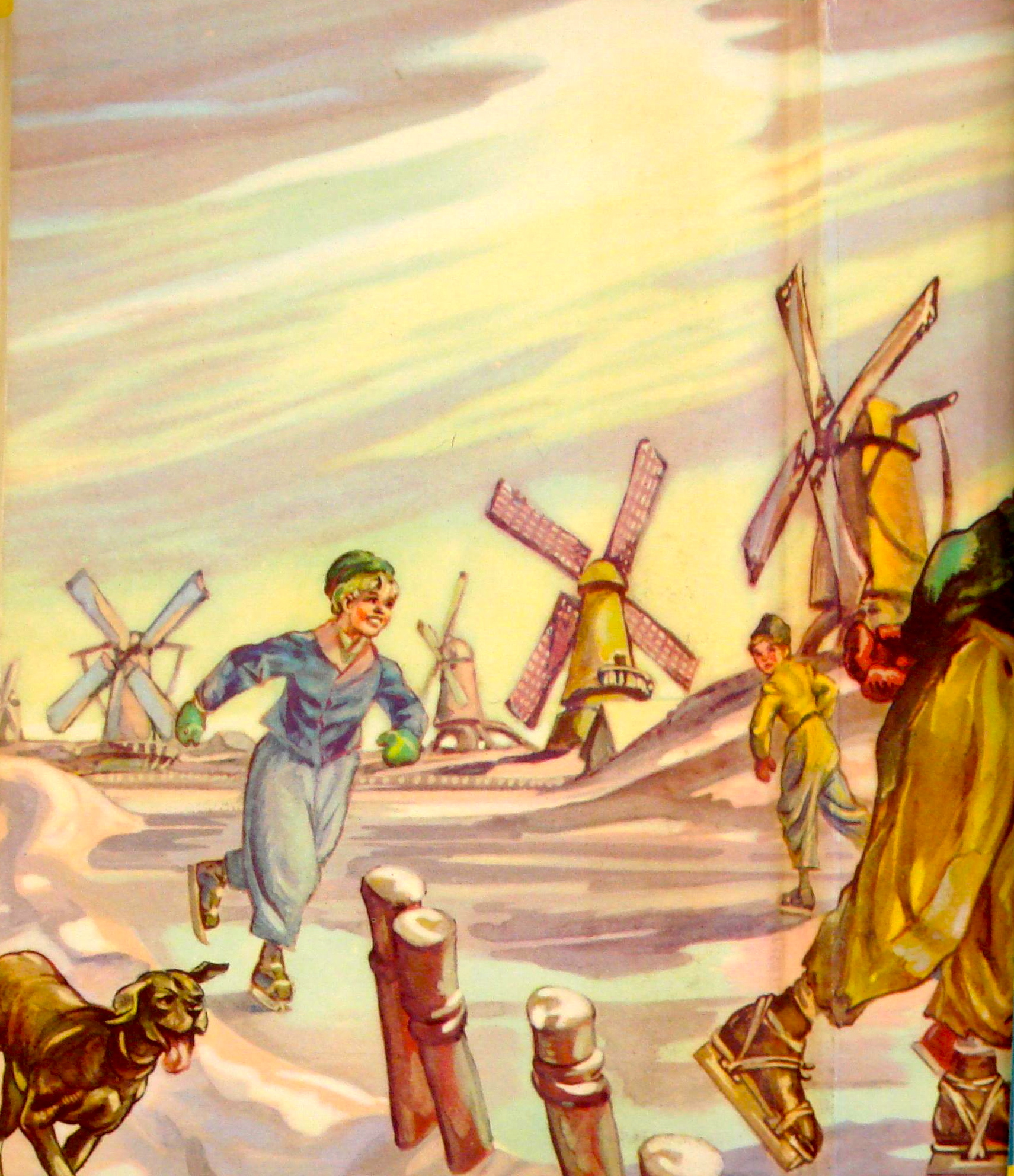
 What is less appealing is the encyclopedia of trivia about Holland, ranging from the carvings on Dutch pipes to catalogues of museum contents. Mary Mapes Dodge wanted to present an instructional travelogue, a somewhat audacious goal, given that she had never been to Holland. The book is flawed by an irrelevant subplot which accompanies a group of boys on a 100 mile sightseeing tour. But while some of the descriptions are insufferably dry (e.g., bits of obscure Dutch history, descriptions of gallery paintings), Dodge manages to pack a remarkable amount of information into the pages, all of which paints a detailed portrait of mid-nineteenth century Dutch life. As our world warms, images of ice skating Hollanders, once such a defining symbol of Dutch culture, are becoming a thing of the past, and it is worth having a text that captures a vanishing way of life.

 The Dutch are somewhat disparaging of Dodge, the self-styled cultural historian, particularly when it comes to the boy with his finger in the dyke. The fictional story of “the hero of Haarlem” appeared in various guises in France, England, and the U.S. during the 1850’s, but it was Hans Brinker that transformed the boy into a popular icon as well as the personification of “the pluckiest little country on earth”.
Mrs. Frisby and the Rats of NIMH

220px-Mrs_frisby_and_the_rats_of_nimh

Mrs. Frisby and the Rats of NIMH by Robert O’Brien

1971

Illustrated by Zena Bernstein

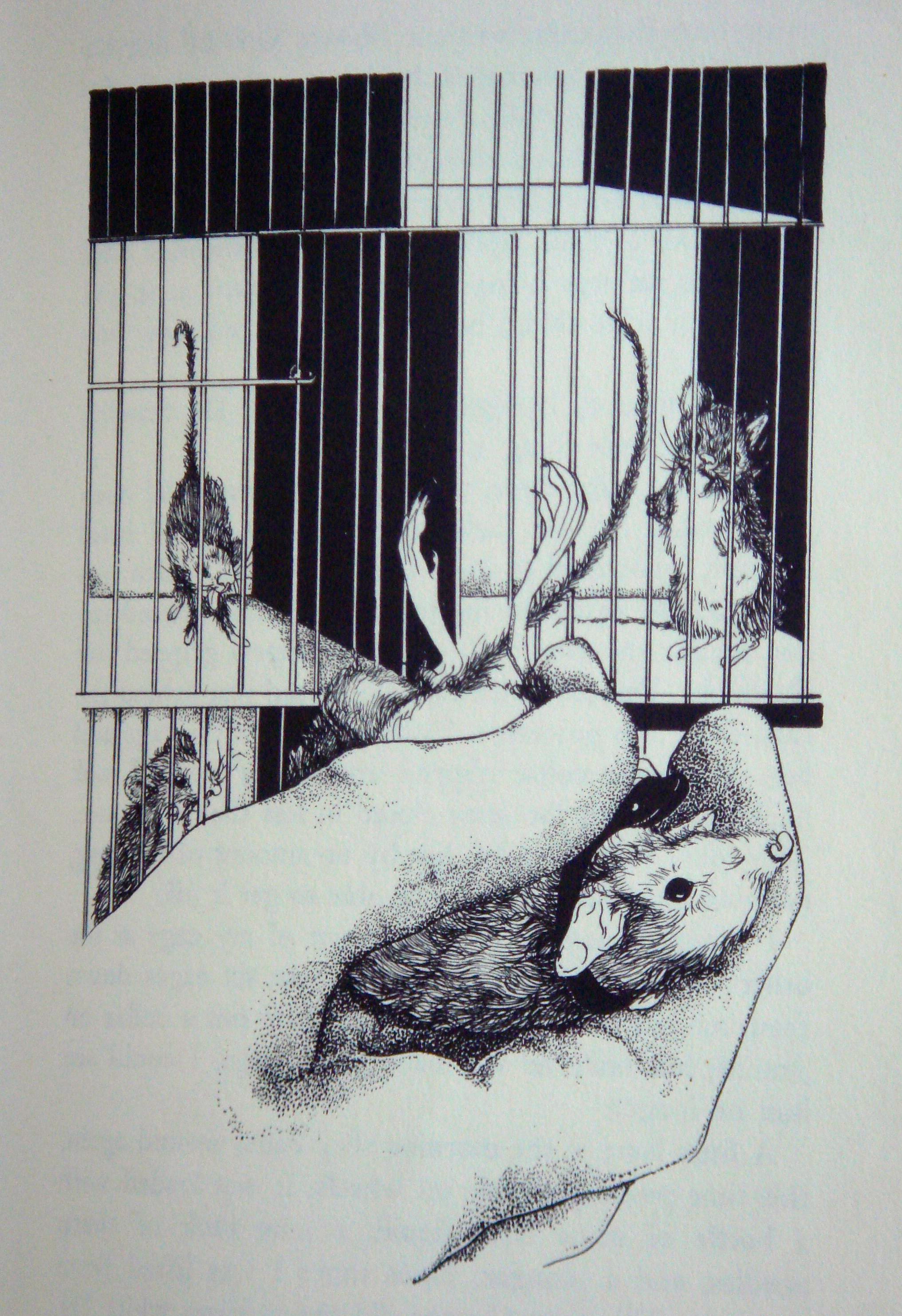
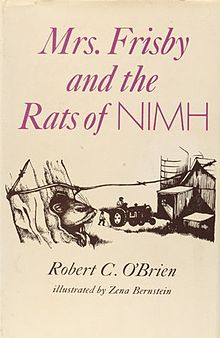
 The story begins in an old-fashioned Beatrix Potter kind of way with a family of field mice living on Mr. Fitzgibbon’s farm. Mrs. Frisby, recently widowed, is anxious for her frail son, Timothy, who is delirious with fever. The family must move to their summer lodging before Mr. Fitzgibbons ploughs their field and upturns their home, but the chill spring air during the move might by more than Timothy can survive. Mrs. Frisby eventually seeks the advice of Nicodemus, the wise rat, and here the book takes a strange turn.DSC02784

In the story-within-a-story centerpiece of the book, Nicodemus recounts a fantastical tale. Caught up in a sweep of a farmer’s market, the young Nicodemus was taken to NIMH (based upon the real National Institute of Mental Health) where he became a research subject in an experiment designed by the neurologist, Dr. Schultz. Nicodemus was one of a group of rats and mice who received DNA and steroid injections to boost their learning ability and slow their rate of aging. Taking advantage of their newfound knowledge (which included the ability to read the directions for opening their cage doors), they made their escape from NIMH, overwintered on an estate with a sizable library, happened upon a toy tinker’s truck which contained miniature tools and engines, and settled on Mr. Fitzgibbon’s farm where they constructed an elaborate burrow complete with electric lights, a working elevator, and a radio. Over time, Nicodemus developed moral qualms about a rat’s life of thievery, and a plan evolved to create a utopian Shangri-La of self-sufficiency in a remote valley.DSC02781

The rats offer to help Mrs. Frisby move her home to safety, thus ensuring the salvation of Timothy. She, in turn, overhears Mr. Fitzgibbons talking about an impending visit of exterminators (it turns out that Dr. Schultz has gotten wind of their whereabouts), thus alerting the colony just in time for them to make their escape. There is plenty of excitement along the way, including the ever-present danger posed by Dragon the cat.

The book is unique in its combination of standard talking animal fare and futuristic super-rat fantasy. It is not only an arresting story, but also one that stimulates thought-provoking questions about intelligence, longevity, animal experimentation, genetic engineering, and ethics. It was in part for the book’s moral complexity that it was awarded a Newberry Medal.

The Pushcart War

productimage-picture-the-pushcart-war-448_png_200x612_q85 The Pushcart War by Jean Merrill

1964

Illustrated by Ronni Solbert

The Pushcart War turns out to be surprisingly memorable – the image of the pea shooters persists long after the book is closed, along with a comforting sense of something quietly important having been accomplished. David and Goliath stories are understandably satisfying to children, and there are many that have been written. This is a highly unusual one.

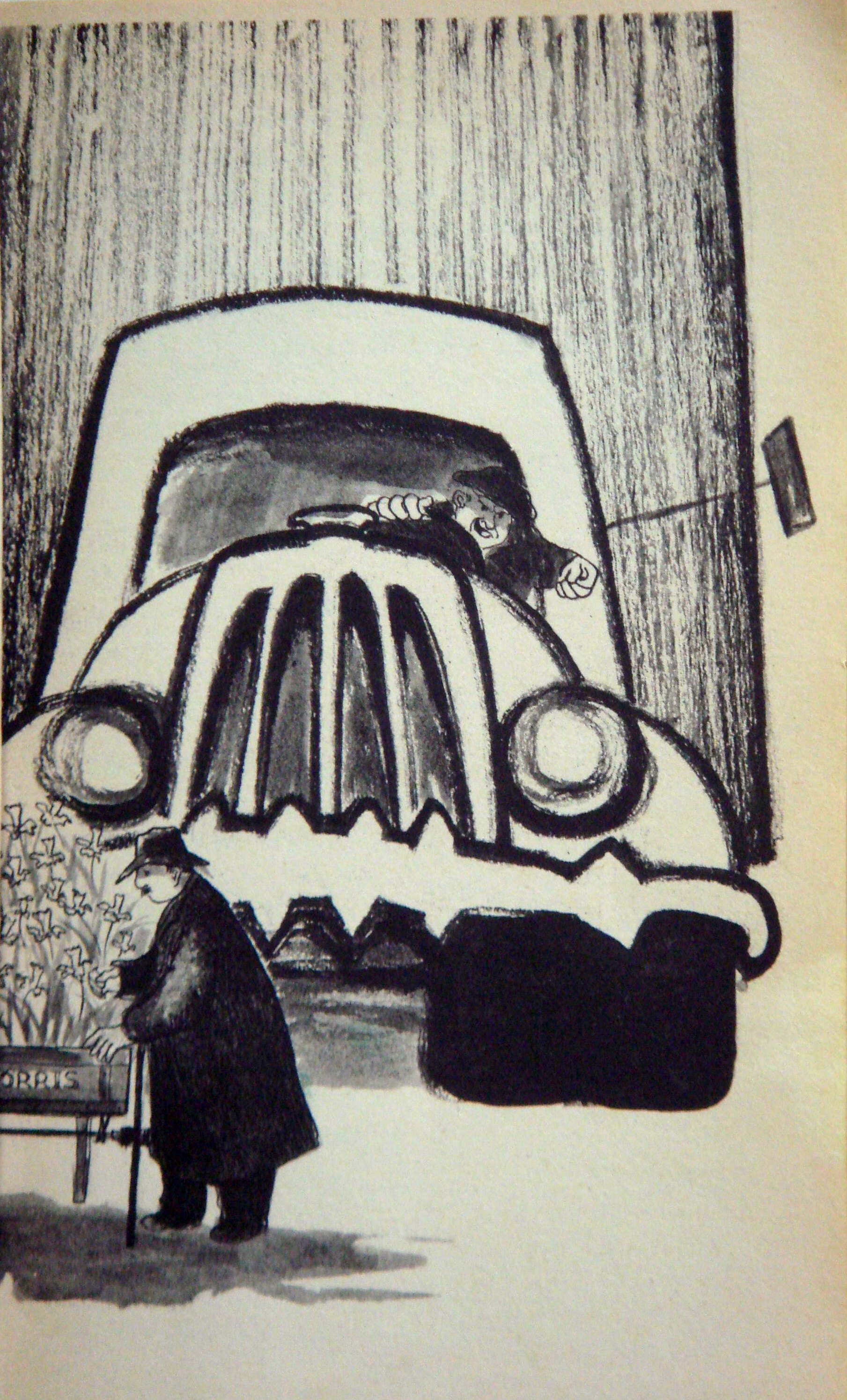
The Pushcart War of 1976 begins with the Daffodil massacre in which the pushcart of Morris the Florist is flattened by a Mammoth Moving truck and the unfortunate flower peddler is launched headfirst into a pickle barrel. In response to this act of blatant aggression on the part of the trucking companies, the pushcart peddlers go on the offensive, led by Maxie Hammerman (the Pushcart King) and General Anna (vender of apples and oranges). Their secret weapon, invented by the son of a Hispanic peddler named Carlos, is a yellow rubber straw loaded with a dried pea with a pin stuck through. During the Pea Shooter Campaign, the peddlers bring the trucks to a standstill, 18,991 flat tires to their credit. When Frank the Flower is arrested and the peddlers are forced to desist, the children of Manhattan quickly take up the battle in their stead. Through the unintentional complicity of a cleaning woman who practices her shorthand on an overheard conversation between The Three (as the owners of the three trucking companies are known), Maxie Hammerman is warned that he is targeted for kidnapping. In a delightful scene, The Three are tricked into a poker game at which the Police Commissioner is present (he is on the side of the pushcarts), and Maxie ends up winning $60,000 and an Italian bullet proof car. And on it goes, until the two sides make their peace.DSC02478

The book is unconventional in format (it is a mock historical document, set in the future, complete with footnotes, newspaper articles, and transcribed conversations) and unusual in its juxtaposition of humor with serious social themes (political corruption, working class oppression, citizenry revolt). Most unique is the use of adult characters (and many of them), none of whom take center stage. Most books for children feature child or animal protagonists, but in this story the few named children have walk-on parts at best. It turns out to make not a whit of difference to the children reading the book, many of whom become devoted fans.

Rascal: A Memoir of a Better Era

il_570xN.506850165_3lwpRascal: A Memoir of a Better Era by Sterling North

1963

Illustrated by John Schoenherr

Sterling North entitled his autobiographical tale of childhood Rascal: A Memoir of a Better Era, and the protagonist is not so much the eleven year old boy or even the raccoon, but rather a wondrous way of life. For children who live tightly scheduled lives in this day and age, it is surprising and exhilarating to witness the freedom afforded the young Sterling in a small Wisconsin town in 1918. Having lost his mother at the age of seven, he lives alone with his father, a fond but absent minded scholarly dreamer who goes off for weeks at a time on trips involving misguided farm transactions, leaving his son to fend for himself. Of necessity, Sterling is a self-sufficient and resourceful boy. He earns money by selling produce from his victory garden, hawking Saturday Evening Posts, or trapping muskrats (until he swears off harming animals). He accumulates a menagerie, including Wowser the St. Bernard,  Poe-the-Crow, and a family of skunks. He singlehandedly builds an 18 foot canoe in the living room, and spends whole days out in the woods, exploring or fishing, on his own.JudyS_RascalInTree

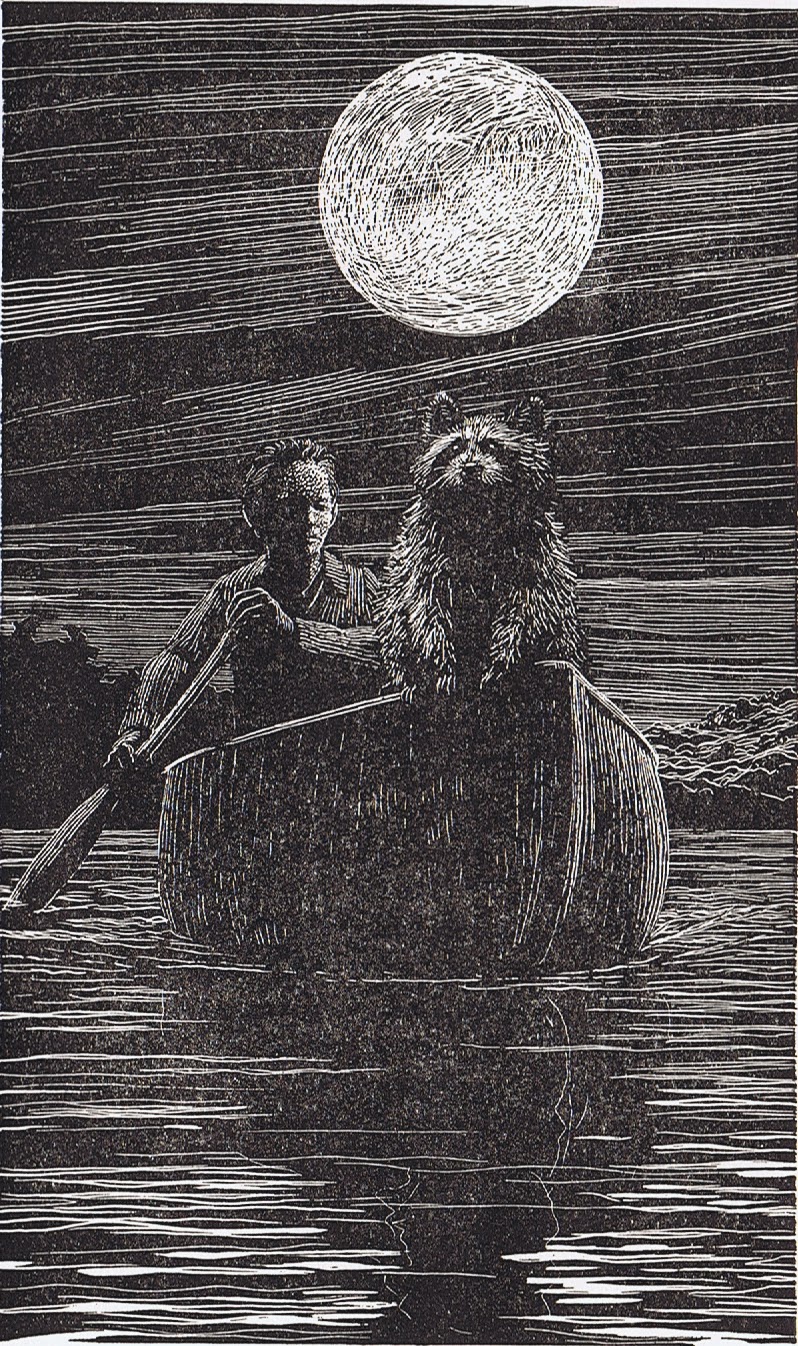
When he brings a raccoon kit home from one of his rambles in the woods, Rascal immediately becomes an integral member of thisJudyS_RascalInCanoe eccentric household. He sleeps in Sterling’s bed, sits in a highchair at the dining table, and steals sugar cubes from the sugar bowl. Over the course of the year, the two share the adventures of life, whether it be a two week camping trip in the north woods or a blueberry pie eating contest at the fair. Skillfully interwoven into their story is the backdrop of WWI (Sterling’s older brother is fighting in France), the nostalgic flavor of small town Wisconsin, and a paeon to the natural world.

Though Rascal has become a fairly well known classic in the U.S., the raccoon achieved celebrity status in Japan, spawning Rascal stores filled with theme paraphernalia, Nintendo video games, rascal_1899_1571415and an unfortunate craze for imported raccoons as family pets. This resulted from a year-long TV serialization of the book, created in part by Hayao Miyazaki. Although Araiguma Rascal was never translated into English, children can substitute Miyazaki’s anime masterpiece, My Neighbor Totoro, whose eponymous character bears some resemblance to Rascal. After the pablum of Hollywood cartoons, the beautiful hand drawn animation, plot originality, and moral complexity of Miyazaki’s many films (Kiki’s Delivery Service, Howl’s Moving Castle, and Castle in the Sky, among them) are an exquisite revelation.

Aside: “He had learned to stand in the closely woven wire basket with his feet wide apart and his hands firmly gripping the front rim, his small button of a nose pointed straight into the wind, and his ring tail streaming back like the plume of a hunting dog that has come to a point.”

Betsy and Tacy Go Over the Big Hill

images

Betsy and Tacy Go Over the Big Hill by Maud Hart Lovelace

1942

Illustrated by Lois Lenski


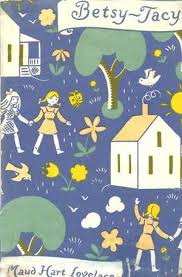
There are many children’s series that command fearsome allegiance, but the fans are often fickle and the adulation often transient.  The Betsy-Tacy books are a phenomenon apart, as they inspire, in some, a lifelong devotion.  Many girls discover this series in their early childhood and continue to reread the volumes not only as adolescents but as grown women.  Most authors of series assume their readers are frozen in developmental time and hope they don’t grow up between the first and last volumes.  Maud Hart Lovelace approached her audience differently, and assumed her readers would mature at about the same pace as her characters.  In the first four volumes, Betsy, Tacy, and Tib are five to twelve years old and the writing is pitched accordingly.  As the girls become teenagers and then young women, the books are written with an increasingly sophisticated audience in mind.  The centenary of the author’s birth saw a Betsy-Tacy convention as well as the launching of a Betsy-Tacy Society and a Maud Hart Lovelace Society.  Few children’s book authors have commanded this kind of devoted attention.

images-1

Maud Hart Lovelace drew liberally from her own life.  She grew up in Mankato, Minnesota and her books are an accurate chronicle of turn-of-the-century small town America.  Betsy-Tacy, the first book in the series, introduces us to Betsy and her two neighborhood friends.  Betsy is the storyteller, the inventor of activities, the budding author.  Tacy is the bashful one with her red ringlets and freckles, one of eleven siblings in an Irish Catholic family.  Tib is the diminutive blond who lives in a Germanic household with a front staircase as well as a back, the realist who calls a spade a spade.  In simple, straightforward prose, Lovelace chronicles the simple joys and occasional trials of their lives.  The pace is that of children.  Chapters recount a birthday party of the old-fashioned variety, a picnic up the hill, a piano box playhouse, an imaginary trip to Milwaukee acted out in the buggy shed.  Lovelace is attentive to the seasons in the way children are – the soft dust of the road on their bare feet in the summer, the smell of autumn leaves in a bonfire, the milkman delivering from a wagon on runners in the snow.

DSC02912

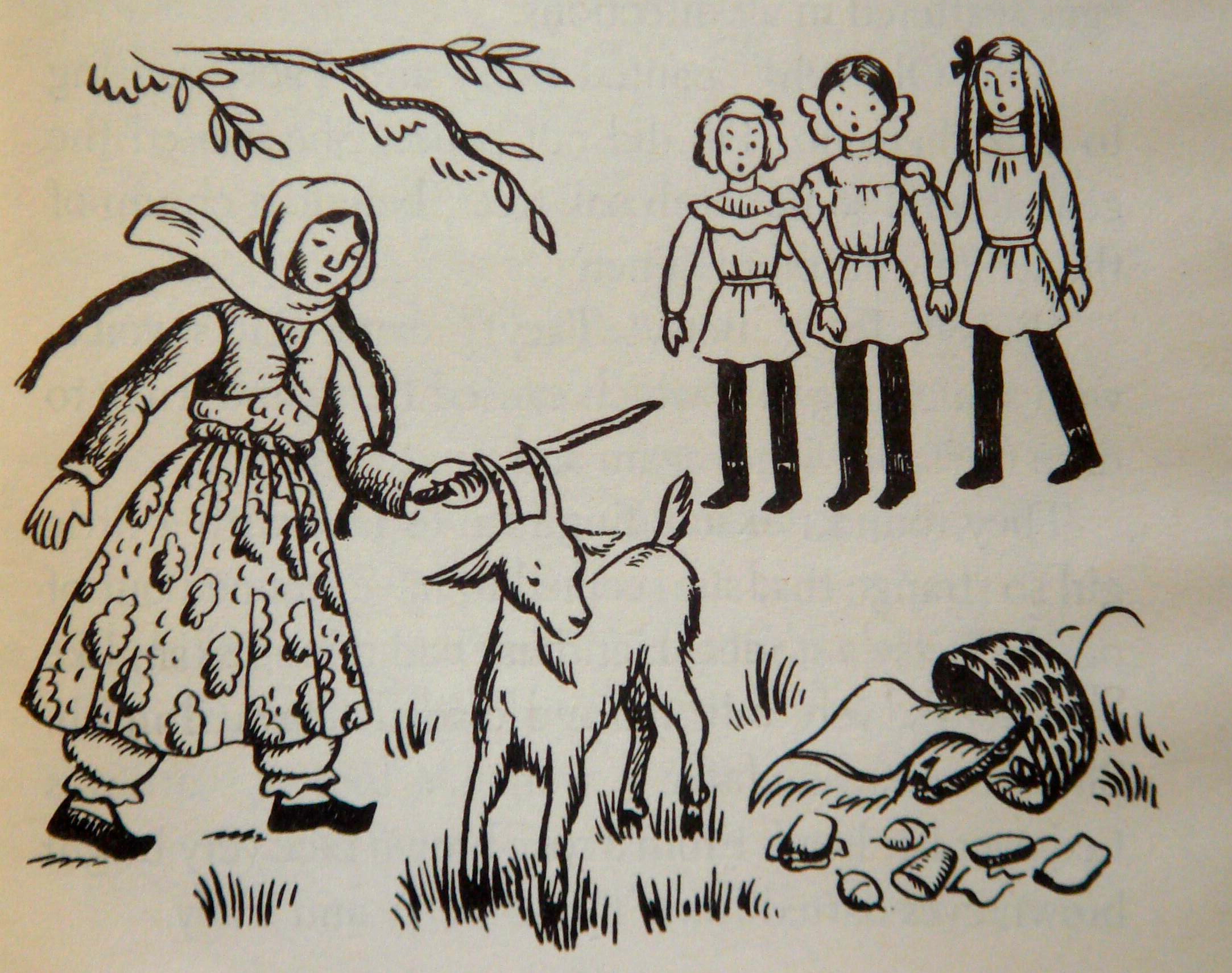
Betsy and Tacy Go Over the Big Hill includes the added richness of a foreign culture set down in rural Minnesota.  During a picnic, Betsy and her friends happen upon Naifi, a lively Syrian girl who is out herding her goat.  With black braids, earrings, a long skirt and longer pantaloons, she could not be more exotic.  Her lunch is a chunk of cheese and round flat bread, her grandfather smokes a narghile,  her grandmother pounds lamb for kibbee, her father writes Arabic from right to left.  She lives in Little Syria, a ramshackle community of unassimilated immigrants who fled their country because of religious persecution.  Now in Minnesota, they encounter prejudice of a different kind.  Betsy, Tacy, and Tib come to Naifi’s aid when she is set upon by a nasty mob of boys taunting her with “Dago! Dago!”  Lovelace does not belabor this zenophobia, neither does she whitewash it.

DSC02911

The first four Betsy-Tacy books were illustrated by Lois Lenski, the creator of the Mister Small books.  The black and white line drawings have just the right nostalgic appeal.

The Endless Steppe: Growing Up in Siberia

51N5KtCcFDL._SY300_

The Endless Steppe: Growing Up in Siberia by Esther Hautzig

1968

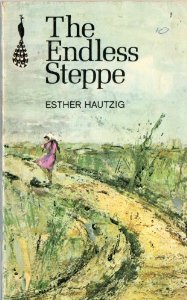
In 1939, under the terms of a secret non-aggression pact between Hitler and Stalin, Poland was invaded by Germany from the west and the Soviet Union from the east.   During the two years of Russian occupation (which lasted until Germany declared war on the Soviet Union in 1941), hundreds of thousands of Poles were deported to work as slave laborers in Soviet gulags.  The Endless Steppe is the autobiographical story of a 10 year old girl who was among the deportees.

9780064405775_p0_v1_s600The Rudomins were a cultivated and prosperous family who lived in Vilna, a vibrant town of Jewish culture and scholarship.  In June 1941, Russian soldiers arrived at the family home and arrested Esther, her parents, and her paternal grandparents.  Frightened, outraged, disbelieving, and bewildered, they were loaded onto trucks and then cattle cars.  In a heart wrenching scene, the grandfather was separated from the others and herded on  to a different train.  Six weeks later, the family disembarked at a mining camp in Siberia, where they lived in a crowded room with 22 other people and no furniture.  Their life in a labor camp ended in the fall, when Polish deportees were granted amnesty and permitted to move into the nearby village of Rubtovsk.   Combating lice, heat, bitter cold, hunger, and the all-too-real threat of starvation (during the harsh winter of 1941, 25% of gulag inmates starved to death), the family struggled to survive.

The-Endless-SteppeAgainst this backdrop of dehumanizing privation, Esther spent five years of her young life.  Bright, headstrong, and spirited, she created a childhood complete with friends and school.  Her parents went without food so that Esther could have the four rubles needed for a Jack Benny movie at the village theatre.  Her petite grandmother, who wore her silk dress and Garbo hat even while shoveling gypsum at the mine, shared Esther’s exuberance the day the two of them were first allowed to go to the baracholka or open-air market to barter a lacy pink slip for roasted sunflower seeds.  Her mother sacrificed a month’s supply of precious potatoes so that Esther could have a 12th year birthday party.  Lacking a notebook, Esther was forced to write her schoolwork between the lines of old newspapers, but she nonetheless discovered Pushkin, Turgenev, Mark Twain, and Jack London.  She developed a love for the Siberian landscape, the unbroken expanse of the treeless steppe, and when they were repatriated in 1946, she was reluctant to leave.

The painful irony was that Esther and her family were the fortunate ones.  Within several weeks of their deportation, the Germans overran Vilna.  The Jewish population was rounded up for incarceration in a ghetto, deportation to concentration camps, or mass murder.  When Esther returned to Poland after the war, she found that only three members of her large extended family in Vilna had survived.

Pinocchio

DSC01979Pinocchio by Carlo Collodi

1883

Illustrated by Iassen Ghiuselev

It was by either a stroke of luck or genius (and more likely the former) that Carlo Collodi created Pinocchio’s nose.  Long after the Blue Fairy has faded from memory, the nose remains, and this is the image that gives Pinocchio staying power.

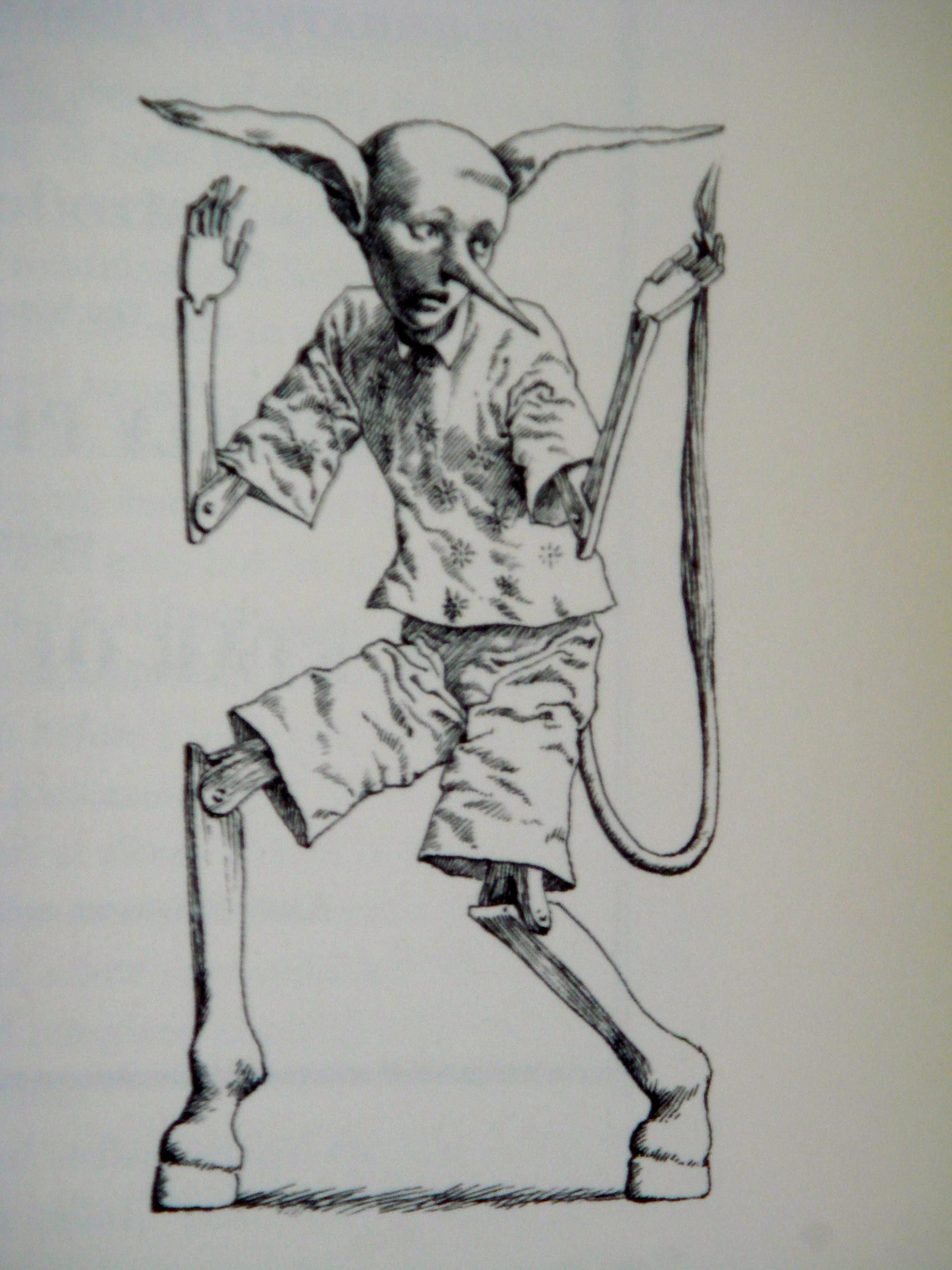
Pinocchio entered the popular canon in the U.S. through Walt Disney, but it is a different experience to read the original.  Carlo Collodi (pen name for Carlo Lorenzini) wrote the tale to be serialized in a children’s newspaper, Giornale per i Bambini, and the 36 chapters are the perfect length for bedtime reading over the course of a month.  There have been many editions featuring many illustrators and translators over the 125+ years since it was published (in 1883).  Choose carefully.  One of the few artists who does justice to the intelligence of the tale is the Bulgarian, Iassen Ghiuselev, whose eye captures both the humanity and the surreality of the story.

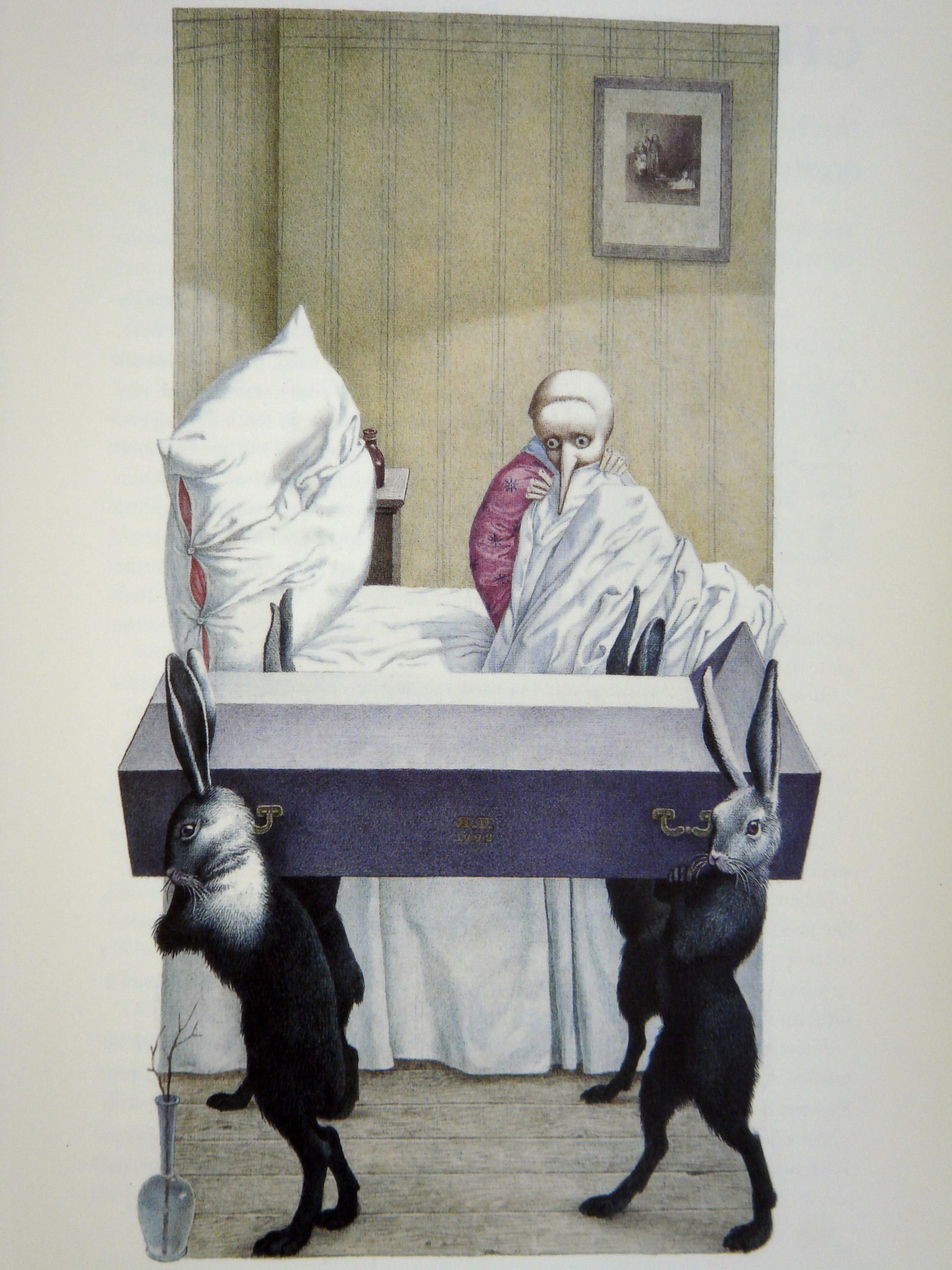
DSC01980The revelation when reading Pinocchio is how rich and sophisticated it is, and also how chaotic and haphazard.  The imagery is bizarre and allegorical.  Consider the four black rabbits bearing a small black coffin into Pinocchio’s sick room, or the poodle in ornate livery who attends the Lovely Girl with Blue Hair.  Think of the transformation of the self-indulgent boys in Play Land into jackasses, beginning with the long ears.  DSC01977Recall the memorable pair of incorrigible ruffians, the lame Fox and the blind Cat, who convince Pinocchio that burying his five gold coins in the Field of Wonders will result in incomparable wealth from a money tree.  Visualize poor old Geppetto within the belly of the Terrible Shark sitting at a candle-lit table eating tiny, live fishes.  There is a darkness here (how different from Alice in Wonderland).

Pinocchio achieves moral transformation, but he stumbles repeatedly along the way.  With each calamity, he renews his resolve (to go to school, to tell the truth, to help his father) only to break his resolution with the next temptation.  Despite his thoughtlessness and superficiality, Geppetto, the Blue Fairy, and the Talking Cricket never give up on him.  He is endlessly likable.  Pinocchio may be foolish, exuberant, gullible, light-hearted, and altogether human in his errors, but he is never mean-spirited.DSC01978

Daughter of the Mountains

daughter of the mountains

Daughter of the Mountains by Louise Rankin

1948

Illustrated by Kurt Wiese


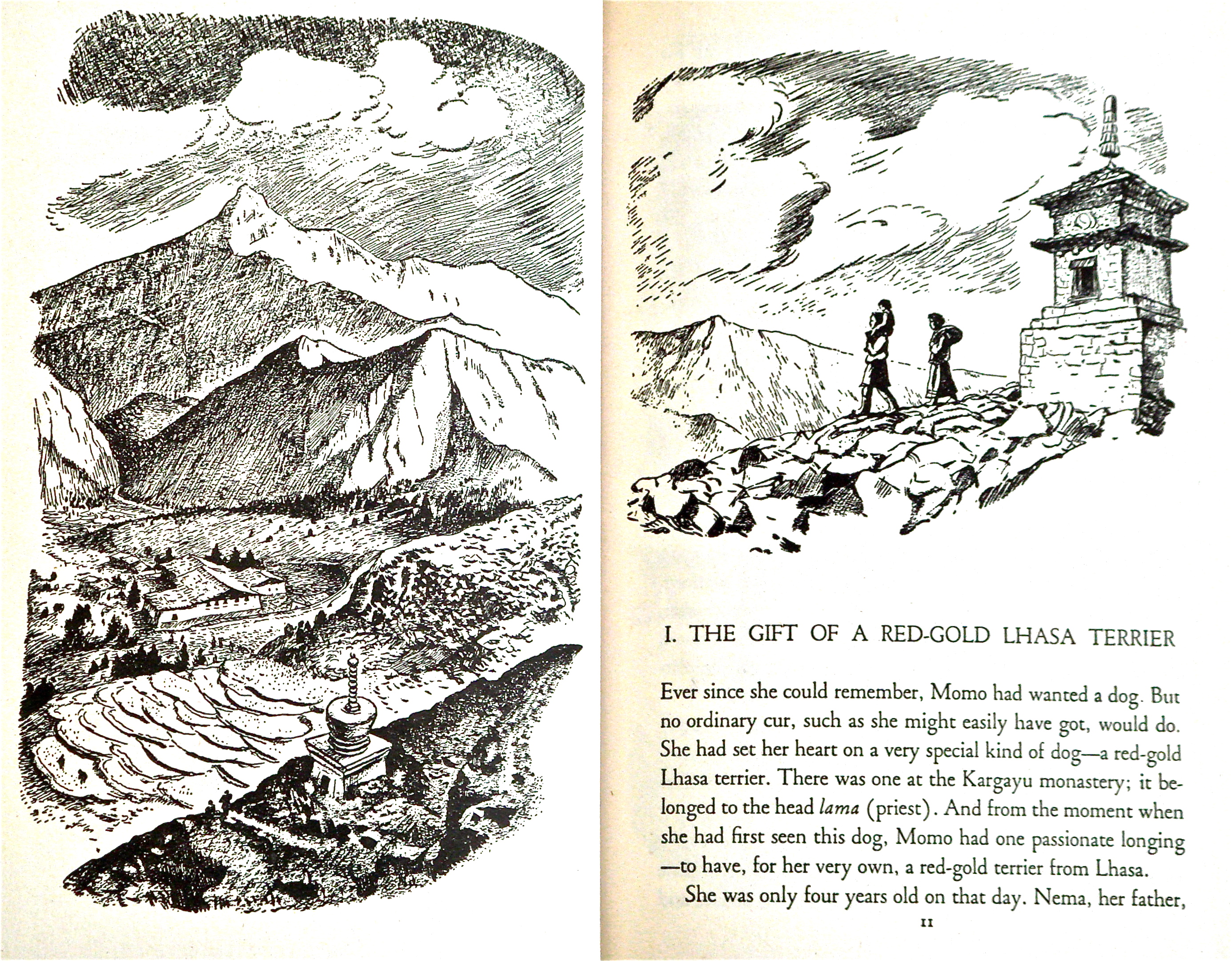
Since her earliest memories, Momo has longed for a red-gold Lhasa terrier, a breed she had seen at the Kargayu monastery where it was favored by the head lama.  She lives high up in the mountains along the Great Trade Route between Tibet and India with her father, who carries the mail pouch over the Jelep La pass, and her mother, who runs a tea house for the mule caravans.  Momo’s wish is finally granted when a trader leaves a motherless puppy in her care.  But two years later, a muleteer steals her precious Pempa with plans to sell him to an English woman in India.  Momo runs down the mountain in pursuit, so launching an exciting series of encounters and adventures which ultimately land her in Calcutta.

DSC01862

This is no Lassie of the Himalayas since the dog, despite being the impetus for Momo’s adventure, makes only a couple of brief appearances.  It is, rather, the tale of a resourceful girl with unwavering resolve, single-mindedness of purpose, good humor, and quiet courage in face of a novel and often intimidating world.  Momo makes a remarkable cultural odyssey, from a materially austere but spiritually rich world in the high Himalayas to the teeming city on the low plains of India with its olla podrida of language and religion.  Momo wears a dark woolen robe tied to create a pouch in which she carries her worldly possessions – a tea cup, some bread cakes, and a string of dried cheese beads.  In the market town of Rongli, she sees Hindu women in brightly colored saris, Indian traders in dhotis, hill men with banana leaf caps, and at the station platform in Siliguri Moslem women in burkahs and Sikhs with turbans.  In the bazaar, she sees her first oranges and bananas, fruits she had only heard described by caravan drivers in her mother’s tea shop.  She passes from the clear thin air of the high Himalayas to the rhododendrons and orchids of the lower slopes to the monkeys of the tropical forest to the heavy humidity of the Indian plains.

Louise Rankin, an American who moved to India with her husband in the 1930’s, was blessed with an observant eye.  The authenticity of her description of culture and terrain is matched by the verisimilitude of Kurt Wiese’s illustrations.  Short of getting on a plane, there is no better way to introduce children to a foreign culture than through a good book, and this is one of the best in the genre.

Matilda

Matilda1 Matilda by Roald Dahl

1988

Illustrated by Quentin Blake

It would be unconscionable to let any child get through childhood without reading the Roald Dahl books.  James and the Giant Peach, Charlie and the Chocolate Factory, The BFG, The Witches – they all have the unmistakable slapstick humor, the silliness and nonsense, that Dahl loved to write and children love to read.  The nasty authority figures are morally horrific and physically repugnant.  Take Aunt Sponge, for example, with “one of those white flabby faces that looked exactly as though it has been boiled”, or George’s Grandma with her “small puckered-up mouth like a dog’s bottom”.  The child heroes and heroines, who tend to be quiet, selfless, unassuming, and patient, devise ingenious schemes to thwart their torturers and they invariably succeed.  The bullies of the world are vanquished: there is no redemption for the wicked.  Dahl has had many detractors among adults, who have decried the gruesome violence and retribution, the tastelessness, of his books.  While critics and teachers are arguing about his subversive influence, his child fans are sneaking off to a corner to delight in yet another of his very funny books.DSC01470

Matilda was Dahl’s last major book, the culmination of a prolific writing career that spanned five decades, and it reflects the hand of a master.  The memorable Matilda is a tiny, brilliant girl who is reading Great Expectations and The Sound and the Fury at the age of four.  When she requests books of her parents, her vulgar father, a crooked second hand car dealer prone to wearing loud check suits, and her mother, a vapid peroxide blond who plays bingo every afternoon, direct her indignantly to the telly.  When she begins kindergarten, she encounters her ultimate nemesis, Miss Trunchbull, the sadistic headmistress.  Enraged by their beastliness and the injustice of it all, Matilda devises clever punishments for each of her tormentors.  She is a particularly noble heroine, since she achieves justice not only for herself but for her teacher, Miss Honey, who has been intimidated into submission.

DSC01466It is impossible to read Roald Dahl without envisioning the accompanying illustrations by Quentin Blake.  The pen and ink drawings appear to have been hastily scribbled: they have a scratchy, energetic, cartoonish quality, (Blake has attributed influence to Honore Daumier), that is perfectly paired with the zaniness of Dahl’s writing.  Blake has illustrated a number of writers, including his own books, but his lasting legacy will be his collaboration with Roald Dahl.

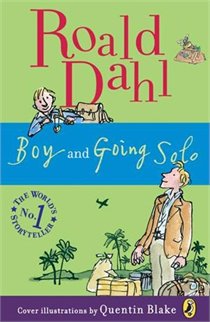
urlAside:  Avid Roald Dahl fans will enjoy his autobiographical duo, Boy and Going Solo.  In the former, he tells of dropping a dead mouse into the neighborhood candy shop’s Gobstopper jar to get back at the horrible Mrs. Pratchett.  He recalls the treat of newly invented Cadbury’s chocolate bars delivered to his boarding school for taste-testing, the genesis of Charlie and the Chocolate Factory.  The second book recounts his adventures with simbas and green mambas in Tanzania, and his dangerous missions as an RAF pilot in the early months of WWII.

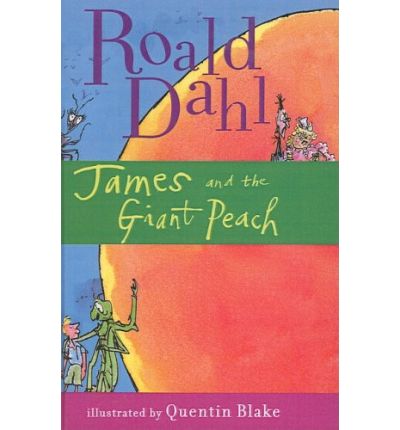
9781417786084Aside:  It is worth listening to Jeremy Irons read James and the Giant Peach to hear his spectacular voices for the enormously fat Aunt Sponge (rendered with a moist lisp) and the tall and bony Aunt Spiker.  Unfortunately for the listener, they meet their end, crushed flat by the rolling peach, a third of the way through the book.

A Stranger at Green Knowe

stranger at green knoweA Stranger at Green Knowe by Lucy Boston

1961

Illustrated by Peter Boston

Of the six books that comprise the Green Knowe chronicles, A Stranger at Green Knowe stands alone for its realism.  There are no elusive ghost children from the time of the Great Plague, no malevolent witches, no time traveling stone chairs.  There is just a boy and a gorilla.

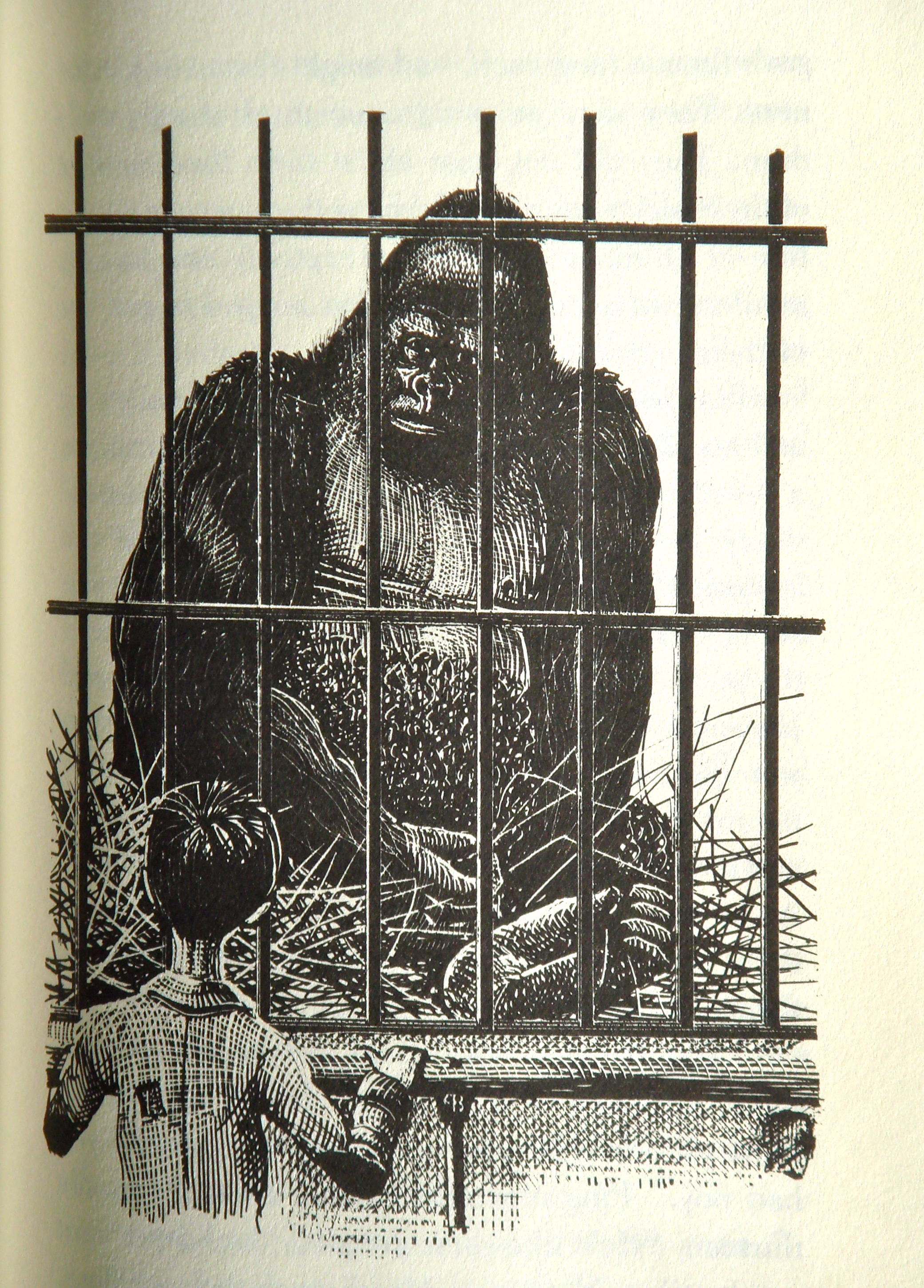
The extraordinary opening chapter stands at the pinnacle of atmospheric nature writing, and by itself justifies the award of the Carnegie Medal (the English equivalent of the Newbery Award).  Written from the point of view of a young gorilla, it describes the rhythm of life of a gorilla family in the tropical forest of the Congo.  Their world is abruptly shattered by a hunting party that kills the parents and captures the young male and his half-sister.  Hanno, as he is named by his captors, ends up in a London zoo.  The monkey house comes from an era of small square cages, concrete floors, and no attempted simulation of natural habitat – the only adornment is a small pile of straw.

stranger at green knoweThe story picks up 11 years later when Ping, a Chinese refugee, visits the zoo with his fellow school children and feels an immediate affinity for the imprisoned gorilla, an awe-inspiring force of nature constrained behind bars.  Their stories are analogous, for Ping’s childhood settlement in a Burmese forest was sacked and burned and his parents killed, and he himself has experienced the unyielding deadness of concrete in refugee camps.  Ping goes to spend the summer holidays with the elderly Mrs. Oldknow at Green Knowe and Hanno, escaped from the zoo, finds refuge in a bamboo thicket on the estate.  The boy surreptitiously aids the gorilla, secretly foraging for food in the vegetable garden, all the while anguishingly aware of the tightening noose of the pursuers.

Aside:  “Here in their ugly, empty cages the monkeys were no more tropical than a collection of London rats or dirty park pigeons.  They were degraded as in a slum.  Some sat frowning with empty eyes, and those that wasted their unbelievable grace of movement, in leaping from perch to chain, from chain to roof, from roof to perch to chain, repeating it forever, had reduced to fidgety clockwork the limitless ballet of the trees, which is vital joy.”

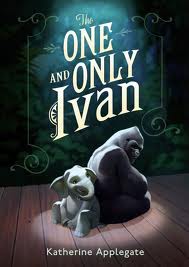
the one and only ivanAside:  For another tale of a gorilla in captivity, try The One and Only Ivan by Katherine Applegate, winner of the 2013 Newbery Award.